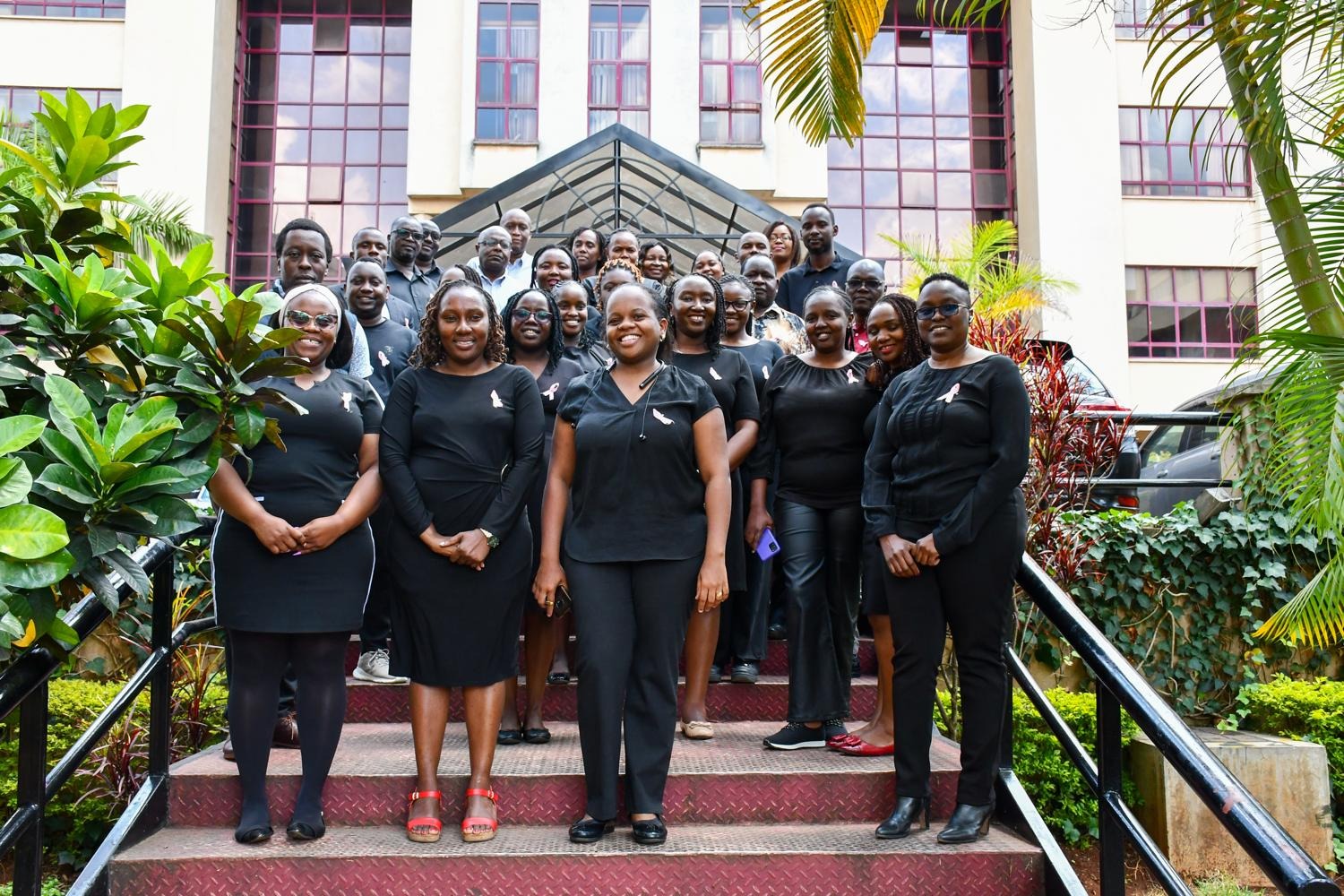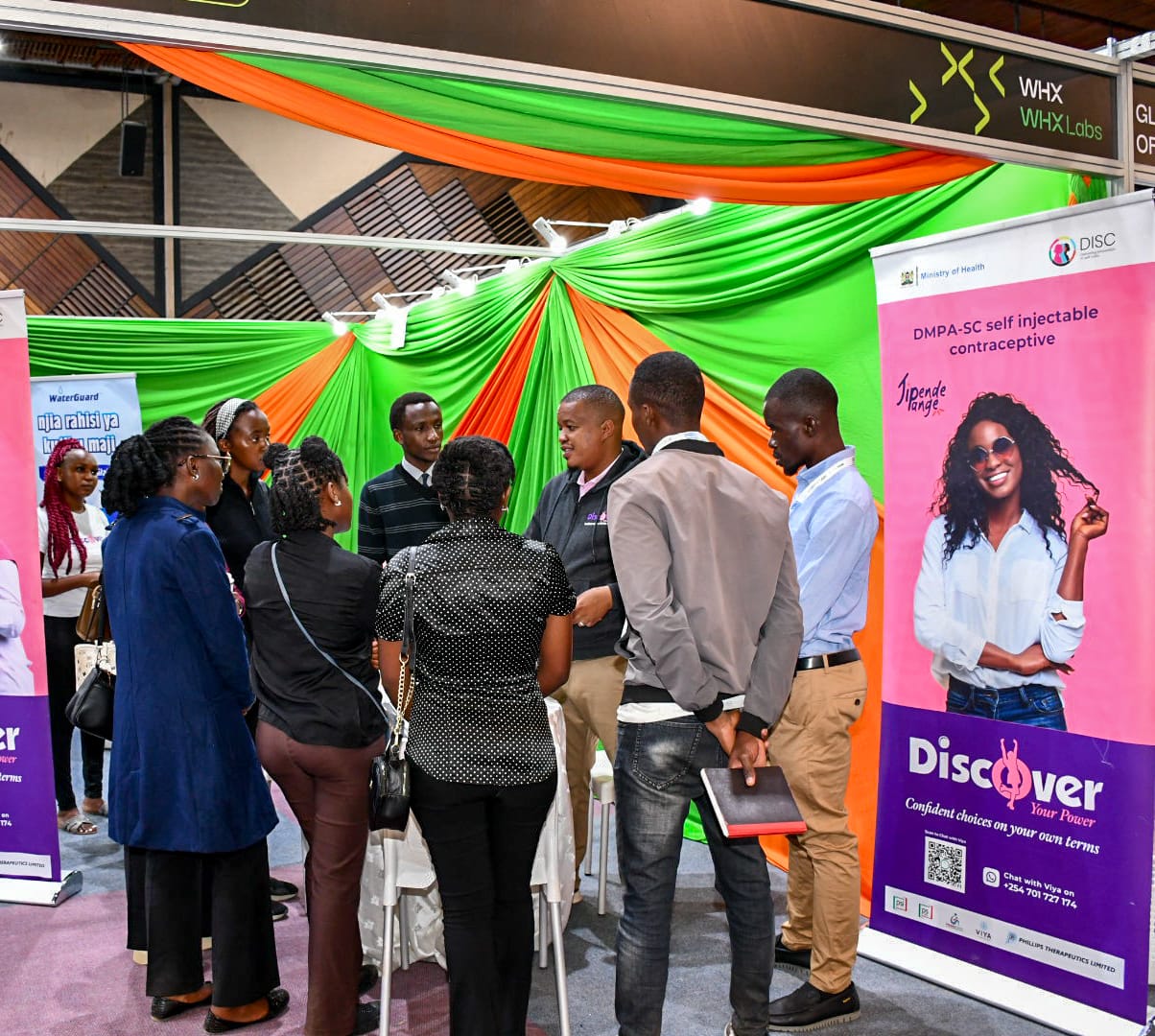
The Delivering Equitable and Sustainable Increases in Family Planning (DESIP) programme is a six-year initiative funded by UK Aid, aimed at enhancing reproductive health in Kenya. It specifically targets counties with a modern contraceptive prevalence rate (mCPR) of less than 45%, aligning with Kenya’s Vision 2030.
The programme’s primary goal is to empower women and girls to safely plan their pregnancies and improve their sexual and reproductive health and rights (SRHR). It focuses particularly on young, rural, and marginalized populations. By doing so, DESIP aims to reduce maternal, newborn, and child mortality rates while increasing the mCPR across Kenya.
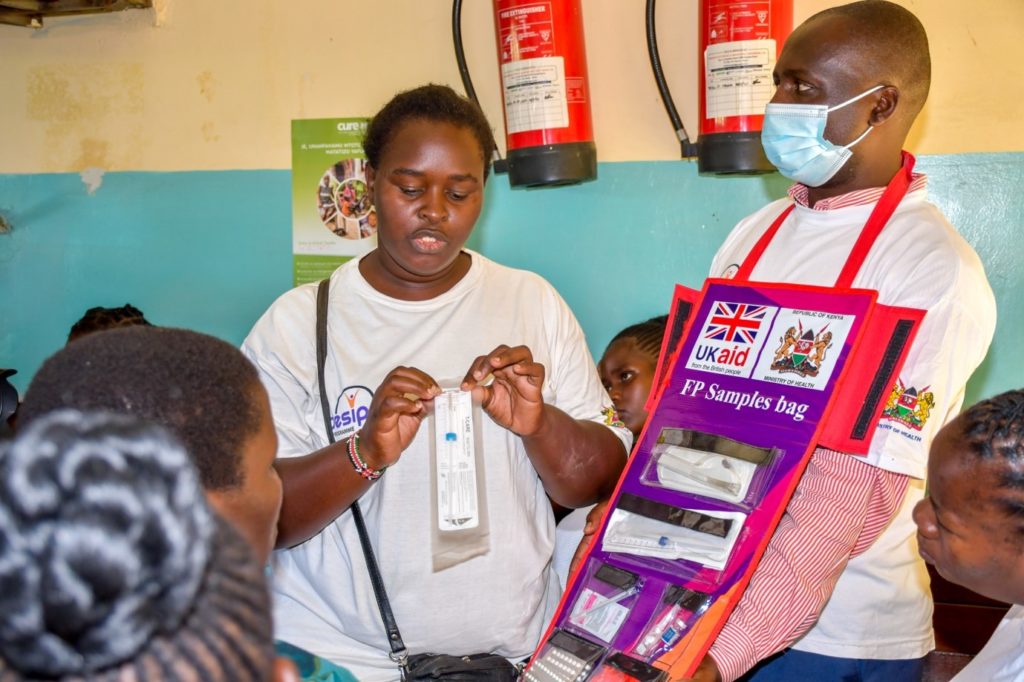
Through collaboration between Population Services Kenya (PS Kenya) and other consortium members, the DESIP programme has been successfully implemented in 12 counties, including Marsabit, Isiolo, Samburu, West Pokot, Elgeyo Marakwet, Baringo, Homa Bay, Wajir, Kilifi, Mombasa, Garissa, Mandera, and Narok. These regions have experienced increased uptake of both long-term and short-term family planning solutions. The recent Kenya Demographic and Health Survey (KDHS) 2022 highlights these successes, showing significant improvements compared to the KDHS 2014.
Key thematic interventions across the counties include male engagement, involvement of religious leaders, social inclusion, enhanced health service delivery, and community-based distribution (CBD) of contraceptive methods through Community Health Promoters (CHPs). The programme also emphasizes training healthcare workers in both long-term and short-term family planning solutions, addressing cultural factors, and utilizing innovative models.
An exercise conducted by the Council of Governors and PS Kenya aimed to document best practices in family planning uptake across eight counties. This involved in-depth interviews with County Health Management Teams (CHMTs) and training beneficiaries to assess the impact of DESIP interventions. The insights gained from these interviews will contribute to the development of the 8th Family Planning Compendium, which will be uploaded to the Maarifa Centre—an innovative e-platform created by the Council of Governors for knowledge sharing and learning on devolution.
Each county implemented unique strategies tailored to its specific context. For instance, Marsabit County emphasized male involvement and advocacy from religious leaders, while Isiolo County prioritized male engagement and community outreach through radio campaigns. West Pokot addressed its high illiteracy rate by equipping Community Health Promoters (CHPs) to provide grassroots-level family planning education. Samburu County integrated family planning services within the manyatta model, improving access for nomadic communities. These diverse approaches ensured that family planning solutions aligned with local traditions and challenges.
In Elgeyo Marakwet and Narok, the focus was on training healthcare workers and CHPs to deliver family planning services more effectively. Elgeyo Marakwet engaged men in childcare and family planning discussions, while Narok’s mentorship program empowered healthcare workers to administer long-term methods such as IUDs.
Baringo County tackled cultural challenges like female genital mutilation (FGM) by training mentors and expanding community-based distributors to combat harmful traditional practices. Homa Bay County stood out by prioritizing the inclusion of persons with disabilities (PWDs) in family planning services, enhancing health service delivery and engaging religious leaders to promote uptake.
Overall, the DESIP programme has made significant strides in improving family planning services across Kenya, particularly in regions with historically low modern contraceptive prevalence rates (mCPR). The collaboration among counties, local leaders, and healthcare workers has fostered an environment where family planning solutions are more widely accepted and accessible. The best practices and lessons documented through this exercise will inform future efforts to ensure sustainable family planning service delivery and continued progress in reducing disparities in access across Kenya.