A young person can know how to protect themselves and still struggle to access the information, support and services they need. Sometimes, the barrier is not a lack of awareness, but the attitudes they encounter when they seek help, including resistance from the very people expected to guide and protect them.
This remains an important concern as Kenya continues to address the triple threat facing young people: new HIV infections, teenage pregnancies, and sexual and gender-based violence (SGBV).
The National Syndemic Diseases Control Council (NSDCC), in its Kenya AIDS Response Progress Report 2025, reported an estimated 2,799 new HIV infections among adolescents aged 10–19 in 2024. During the same reporting period, adolescent pregnancies accounted for 16 per cent of all pregnancies, representing 240,915 pregnancies. The report also recorded 17,361 cases of sexual and gender-based violence involving adolescents aged 10–17.
The challenge is also evident in Kilifi County. Figures presented by NSDCC during its 2026 Triple Threat engagements show that the county recorded 7,582 teenage pregnancies in 2025, including 366 among girls aged 10–14. The county also recorded 379 cases of sexual and gender-based violence involving girls aged 10–17. Separately, figures attributed to NSDCC leadership and reported in The Standard indicate that Kilifi recorded 389 new HIV infections in 2025.
These figures point to the importance of ensuring that young people can access accurate information, prevention options and quality healthcare without stigma or judgement. However, making these services available is only part of the solution. Healthcare providers also need the knowledge and skills to respond to the changing needs of their clients, particularly as national guidelines and clinical approaches evolve.
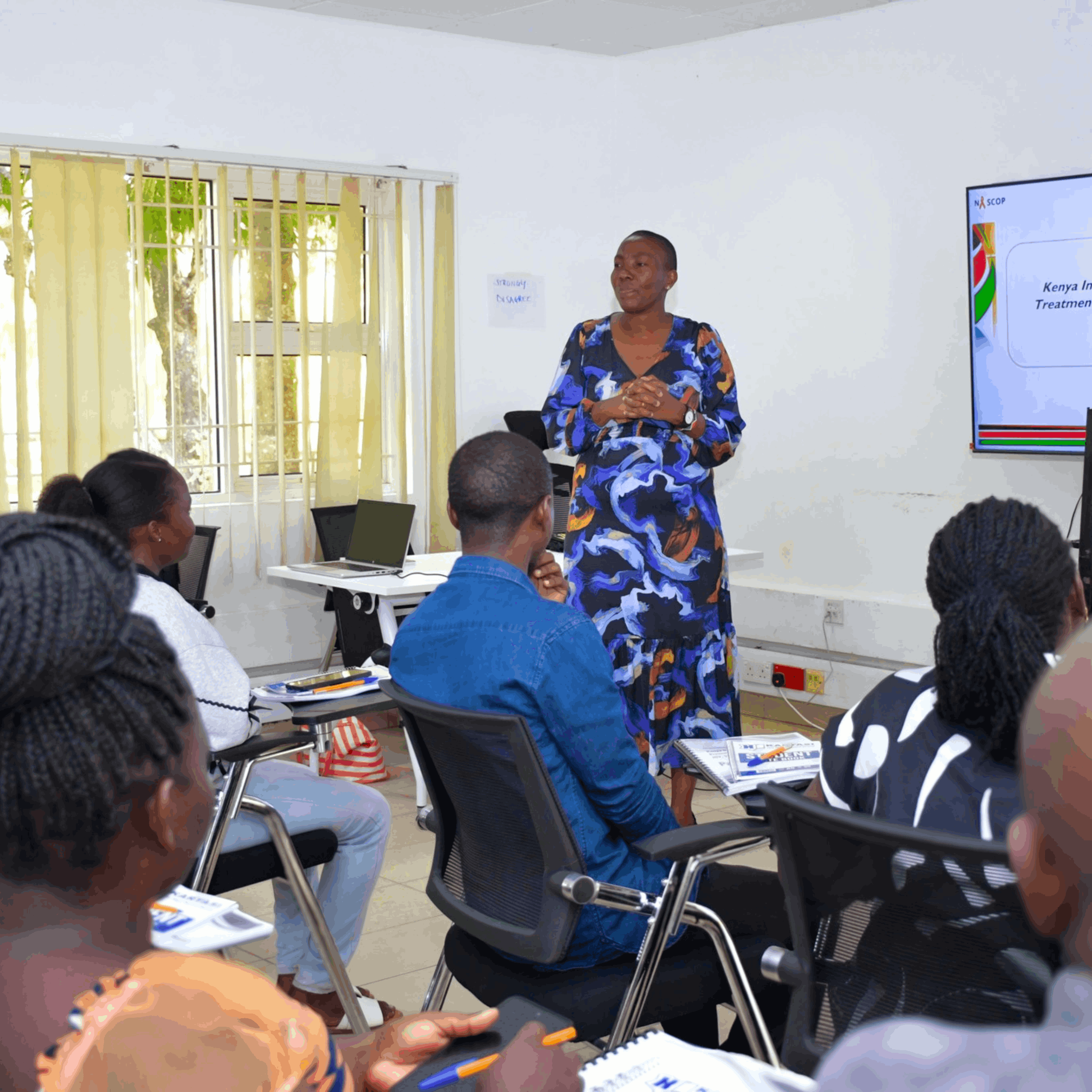
It is against this background that healthcare providers are participating in a four-day training at Kilifi County Referral Hospital on Kenya’s 2026 Integrated Guidelines for the Prevention, Treatment and Management of HIV, Sexually Transmitted Infections (STIs) and Viral Hepatitis.
The training is designed to update healthcare workers already providing HIV services, strengthening their understanding of current approaches to screening, testing, prevention, diagnosis and treatment. It also covers the integration of HIV, STI and viral hepatitis services, care for key and vulnerable populations, prevention of vertical transmission, and antiretroviral therapy for adults, adolescents and children.
Beyond sharing updated clinical guidance, the training uses interactive, case-based discussions that allow participants to consider how the guidelines apply in real healthcare settings. This is particularly important when serving adolescents and young people, whose decisions to seek care can be influenced by confidentiality concerns, stigma, provider attitudes and community perceptions.
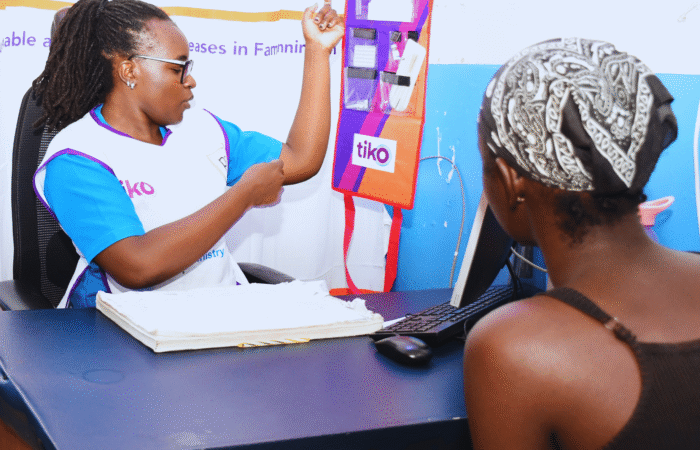
The need for this approach is reflected in the experience of Watamu Community Health Centre, one of the facilities within the Tunza Network. Dr. Malingi Shindo, a healthcare provider at the facility, describes how creating a welcoming environment and equipping providers to engage young people can make a difference in their willingness to seek care.
At Watamu, having young healthcare providers is an advantage. Young clients can relate more easily to providers who understand some of the experiences and concerns that come with their stage of life. Dr. Shindo also recognises the importance of continuous learning, encouraging healthcare providers to participate in relevant trainings so they can strengthen their ability to offer appropriate information and services.
However, making youth-friendly services accessible does not come without challenges. One concern arises when young people are willing to learn about HIV prevention and how to protect themselves, but their guardians object. Some guardians interpret conversations about sexual health and protection as encouragement for young people to engage in sexual activity.
For healthcare providers, responding to these concerns requires more than simply giving information. It calls for counselling, respectful engagement and the ability to address misconceptions while keeping the young person’s health and wellbeing at the centre of the conversation. At the facility, counselling provides an opportunity to engage young people, respond to concerns and help them understand the importance of making informed decisions about their health.
The results are reflected in the confidence young people demonstrate when seeking services. Those who have had positive experiences at the facility are also bringing their peers, creating opportunities for more young people to access information and support.
This experience illustrates why youth-friendly healthcare depends on more than having services in place. It requires providers who are equipped to respond to young people’s needs, protect their dignity and navigate the social attitudes that may stand in the way of care.
As healthcare providers in Kilifi engage with the 2026 integrated guidelines, the focus is on strengthening the knowledge and practical skills needed to deliver quality services. Through the Tiko programme and the Tunza Network, continued investment in provider capacity is an important part of improving healthcare experiences and ensuring young people can access accurate information, appropriate support and services that are confidential, accessible and free from stigma.