For many families in Kenya, the day begins with a familiar responsibility: ensuring there is enough water for drinking, cooking, cleaning and caring for loved ones. Depending on where they live, that water may come from a tap, borehole, well, river, rainwater collection system or a nearby vendor. But having water available does not always mean it is safe to drink.
For a parent preparing drinking water for their children, the concern goes beyond whether the container is full. It is about knowing that the water their family consumes will not expose them to preventable illness. Unsafe drinking water can affect children’s health, disrupt school attendance, increase household medical expenses and place additional pressure on families already managing competing needs.
One of the challenges with water safety is that contamination is not always visible. Water may look clear and still contain harmful microorganisms. This makes household water treatment an important part of preventing waterborne diseases, particularly where the safety of drinking water cannot be guaranteed. Families therefore need practical, affordable and reliable options that fit into their daily routines.
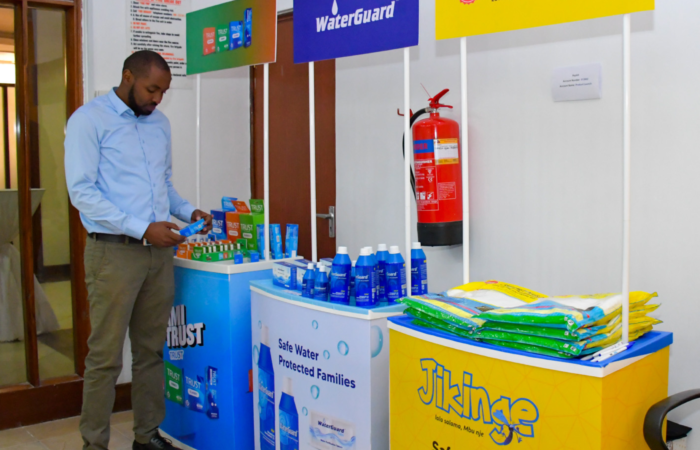
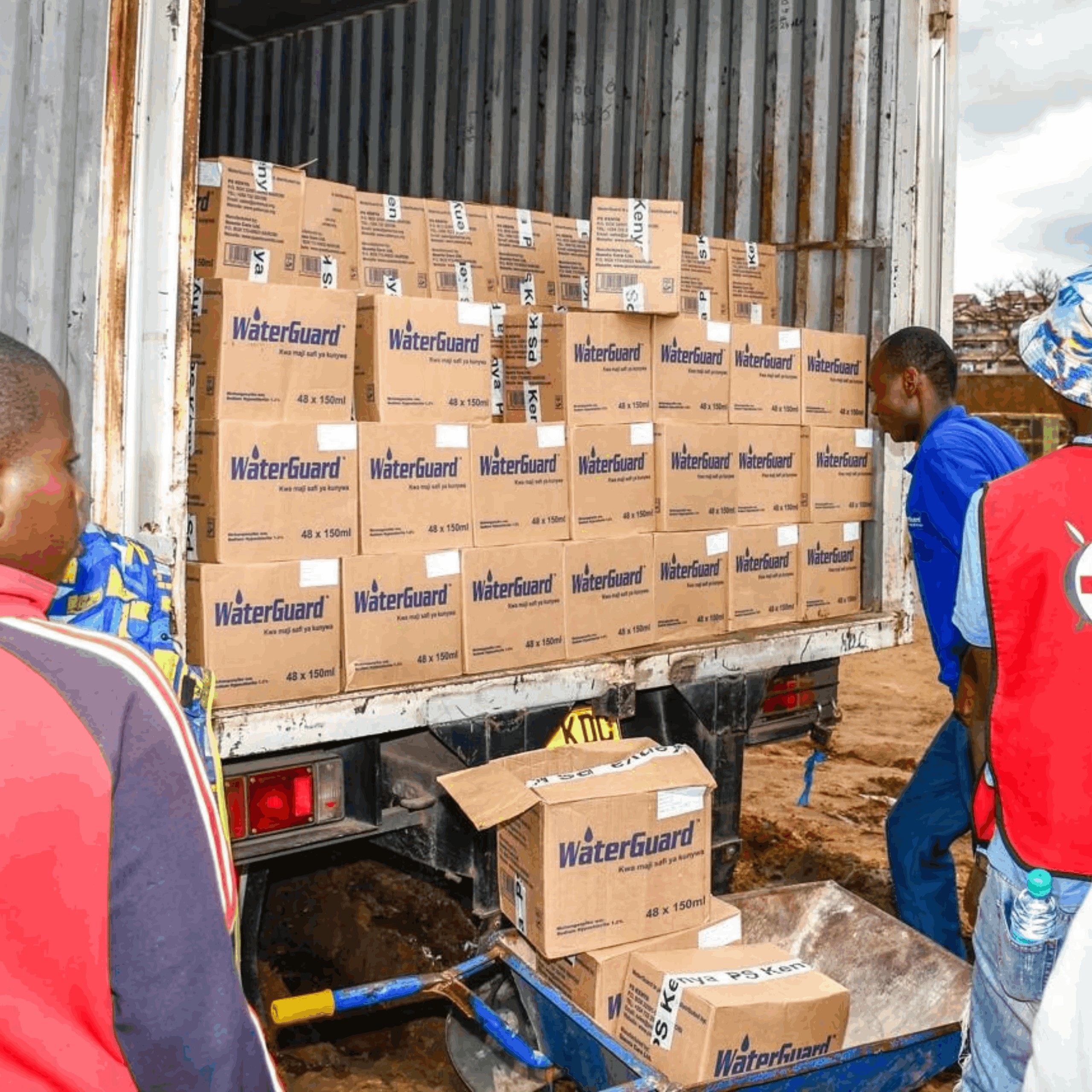
This is where PS Kenya’s Social Enterprise plays an important role. By making essential health products available through distributors, wholesalers, pharmacies, supermarkets, kiosks and other retail channels across Kenya, the Social Enterprise connects public health needs with solutions that households can purchase and use in their everyday lives.
WaterGuard is part of this approach. Its liquid water treatment solution, available in 150 ml and 500 ml bottles, has long provided households with an option for disinfecting drinking water. The recently launched WaterGuard tablets expand that choice, with each tablet designed to treat 20 litres of water when used according to the product instructions. Offering different formats recognises that households have varying needs and preferences, making preventive health practices easier to incorporate into everyday life.
The impact of this approach extends beyond individual purchases.
In 2025, PS Kenya’s Social Enterprise enabled the treatment of 1.1 billion litres of water through its water treatment portfolio, including WaterGuard Safe Water Solution, Aquatabs Chlorine Tablets and P&G Purifier of Water. This reflects the scale at which market-based distribution can contribute to public health by making household water treatment solutions available across communities.
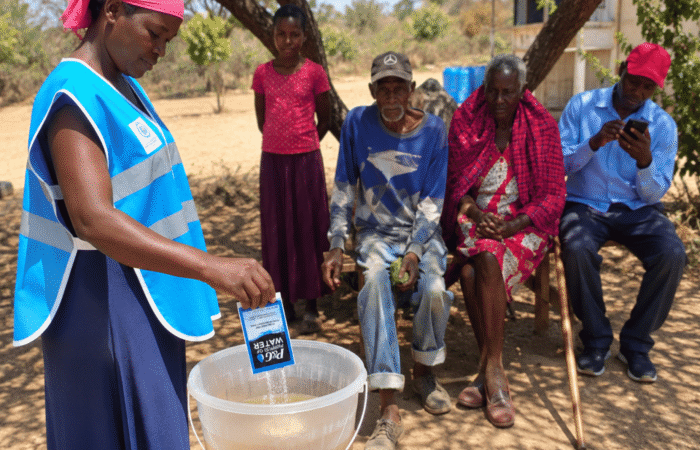
However, product availability alone is not enough. Households also need to understand why water treatment matters and how to use products correctly. For some consumers, questions about chlorine-based treatment remain a concern. Does clear-looking water still need treatment? Is chlorine safe? Will it change the taste of drinking water? These are important questions, particularly when families are making decisions about products they will use regularly.
Water that appears clean is not necessarily free from disease-causing microorganisms. Chlorine-based water treatment products are designed to disinfect water when used correctly, with appropriate dosing and contact time being essential. Clear and accurate information, including instructions on product packaging and guidance at the point of sale, helps consumers make informed decisions and use these products appropriately.
This connection between product availability and consumer confidence is important for sustainable public health impact. A water treatment solution can only make a difference when it reaches the household, is understood and is used correctly. Through established commercial distribution networks, PS Kenya’s Social Enterprise contributes to keeping these solutions within reach beyond individual campaigns or time-bound projects.
Ultimately, the value of safe drinking water is felt in the ordinary moments of family life: a child drinking water before leaving for school, a parent preparing a meal or a household storing water for the days ahead. These are everyday activities that should not come with unnecessary health risks.
Making safe drinking water a household priority is therefore about more than treating water. It is about making prevention practical, giving families confidence in the water they consume and ensuring that solutions which protect health remain within reach.