For many adolescent girls, the future is shaped by expectations long before they have the opportunity to decide what they want for themselves. Whether to remain in school, pursue a career, marry or become a mother can be influenced by family circumstances, community attitudes and access to information and opportunities. For some girls, the challenge is not a lack of ambition, but having the space and support to imagine a different future.
In Narok County, adolescent pregnancy remains a significant concern. In 2025, the county recorded 10,934 pregnancies among adolescents aged 10–19 attending their first antenatal care visit, placing it among the counties with the highest numbers nationally. The 2024 Kenya Vital Statistics Report also indicated that 17.5% of registered live births in Narok were to teenage mothers, the highest proportion in Kenya.
Behind these figures are girls whose education, health and economic opportunities can be affected by early pregnancy and the expectations surrounding them. Addressing these challenges requires more than providing reproductive health information. It means helping girls recognise their potential while creating environments where their choices and aspirations are supported.
This understanding is central to PS Kenya’s work through the A360 program and its Binti Shupavu initiative, which places adolescent girls and young women at the centre of conversations about their health, wellbeing and future opportunities.
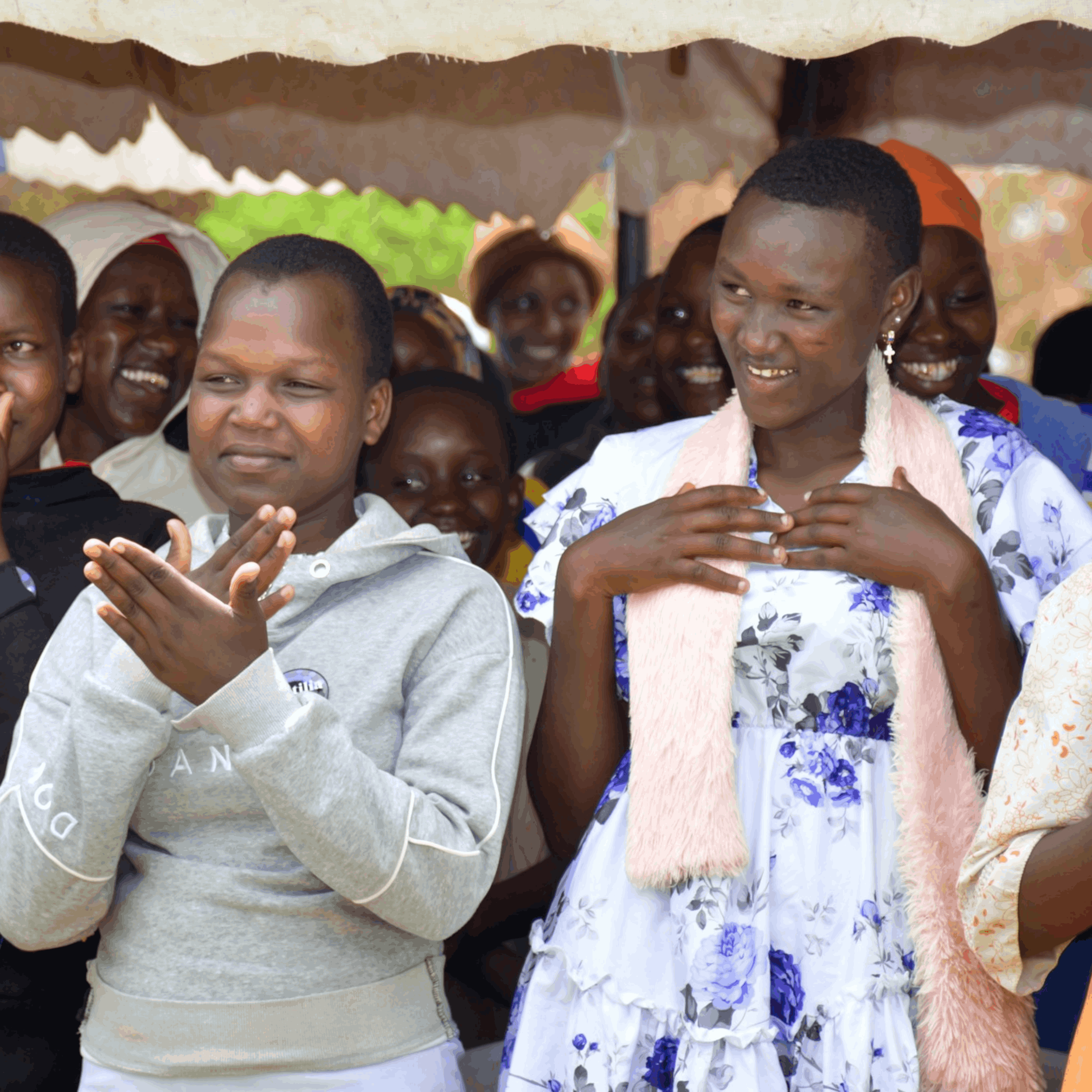
At Chemamit Dispensary in Transmara East, 560 girls from Kapsasian Ward participated in an engagement that brought together reproductive health information, personal development and conversations about their aspirations. Rather than treating all girls as having the same needs, the sessions recognised their different stages of life.
Girls aged 14–17 explored education, personal goals and the importance of staying in school, while young women aged 18–24 discussed informed reproductive health choices, family planning, skills development and opportunities for greater independence.
Through the Binti Shupavu approach, the conversations encouraged participants to reflect on what they wanted for their lives and the decisions that could help them move towards those goals. The emphasis was not simply on preventing adolescent pregnancy, but on ensuring girls had the information, confidence and support to make informed choices about their futures.
Yet a girl’s choices do not exist in isolation. Her ability to remain in school, access healthcare or pursue an opportunity is often influenced by the people around her. Parents, boys, community leaders and institutions all have a role in shaping whether girls feel supported or constrained.
Recognising this, the Kapsasian engagement brought together the Ministry of Health, Gender Directorate, local administration, religious leaders, elders, the Judiciary and other community stakeholders. Their participation reflected the importance of shared responsibility in addressing adolescent pregnancy, challenging harmful expectations and creating supportive environments for girls.
Engagement with boys and parents is also part of the continuing approach. Boys are encouraged to understand respectful relationships and their responsibility in preventing unintended pregnancies, while parents and guardians are engaged to strengthen communication and support for girls’ education, health and ambitions.
Importantly, the conversations also opened doors to practical opportunities. During the engagement, five girls expressed interest in joining the WellBeing Centre for dressmaking courses. Although this was an expression of interest rather than confirmed enrolment, it demonstrated how conversations about aspirations can encourage young women to explore pathways towards skills development and economic independence.
The connection between health and opportunity is important. A girl who understands her reproductive health options also needs the chance to pursue education, develop skills and participate in decisions about her future. Through continued mentorship and collaboration with relevant government departments and community structures, the initiative seeks to connect girls with opportunities that reflect their interests and circumstances.
Access to healthcare remains an essential part of this support. Family planning services were available during the Kapsasian engagement, while monthly Binti Shupavu clinics are being strengthened to provide continued access to information, counselling and services as girls’ needs evolve.
For PS Kenya, the significance of this work lies in bringing these different elements together. Through A360, we work alongside government, healthcare providers, community organisations, and local leaders to create environments where girls can access trusted information and opportunities to define their own future.