For many women in Lororo, Samburu County, seeking healthcare is not as simple as visiting the nearest health facility. It often means travelling more than 15 kilometres across rough terrain to access essential maternal and child health services, three times the maximum distance recommended by the World Health Organization. For a woman in labour, a pregnant mother due for an antenatal check-up, or a caregiver with a sick child, that journey can mean the difference between receiving timely care and staying home.
This is the reality across much of Samburu County, where communities are spread across vast arid and semi-arid landscapes, separated by long distances, poor road networks and seasonal rivers. Cultural practices, pastoral livelihoods and limited transport options further compound these challenges, making routine health services inaccessible for many women, newborns and children. As a result, expectant mothers miss antenatal appointments, some give birth at home without skilled care, while children remain unvaccinated against preventable diseases.
Recognizing that geography should never determine a person’s access to healthcare, the Accelerate Programme, funded by the Embassy of Denmark in partnership with the Samburu County Department of Health, continues to bring integrated sexual and reproductive, maternal, newborn, child and adolescent health services closer to underserved communities.
Lororo was identified as one of the hard-to-reach locations where distance and limited access to health facilities had contributed to low uptake of essential health services. Rather than expecting communities to travel long distances, the programme brought healthcare directly to them through an integrated outreach using the Beyond Zero Mobile Clinic.
For many families, the arrival of the mobile clinic transformed what had once seemed out of reach into immediate access to quality healthcare.
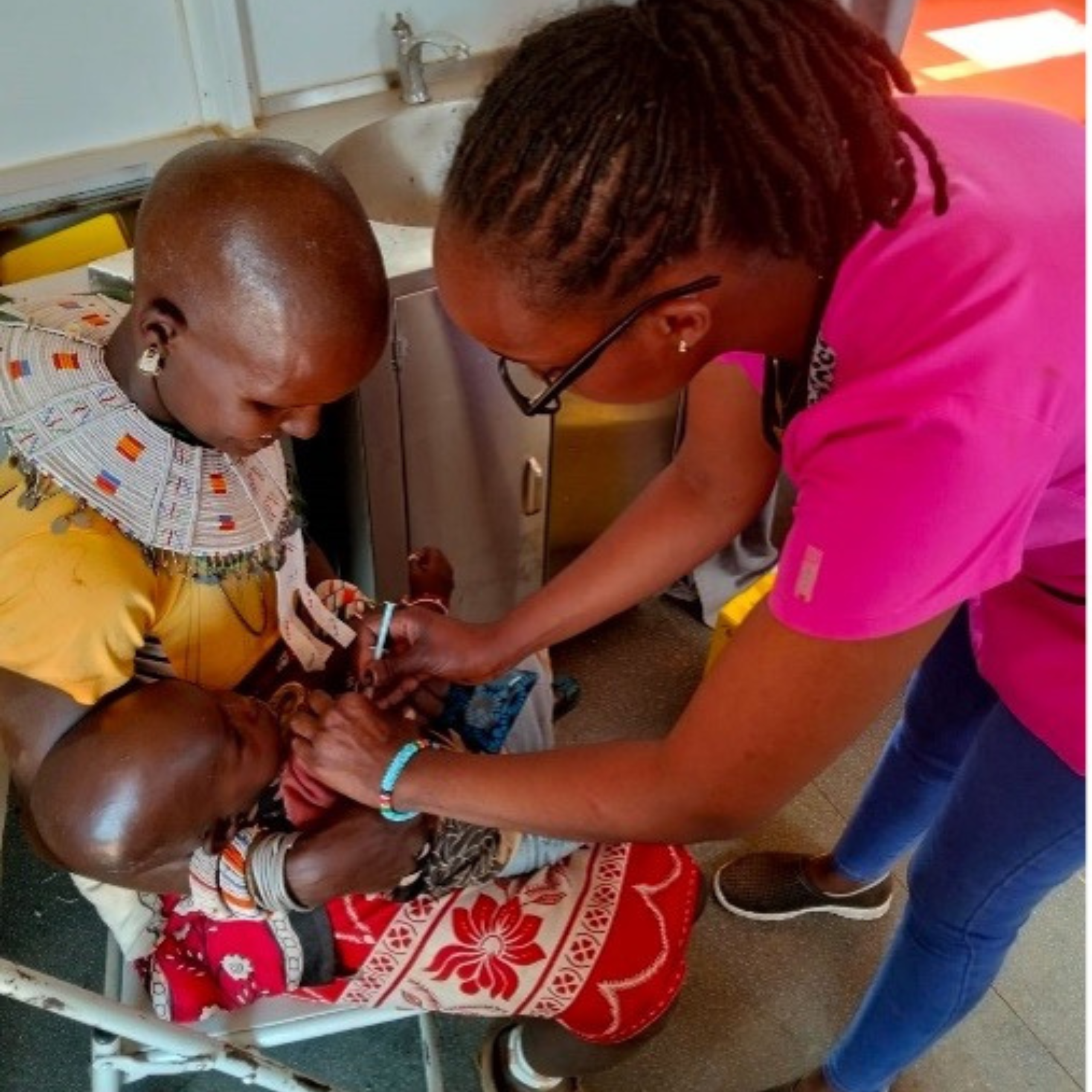
Healthcare workers established service stations offering antenatal and postnatal care, childhood immunization, HIV testing, family planning, general outpatient consultations and health education. Expectant mothers received routine antenatal assessments, including blood pressure monitoring and fetal heart rate checks. Caregivers were counselled on newborn care, nutrition and danger signs requiring immediate medical attention, while children received life-saving vaccines against preventable diseases. Community members were also enrolled into Taifa Care, strengthening their connection to Kenya’s health system and improving access to future healthcare services.
By the close of the outreach, what had begun as a mobile clinic parked in a remote village had become a gateway to essential healthcare for hundreds of people.
17 pregnant women had taken the first step towards safer pregnancies by attending their first antenatal care visit, giving healthcare providers the opportunity to identify potential complications early and support them throughout pregnancy. Six mothers received timely postnatal care, including care within the critical first week after delivery, ensuring both they and their newborns received the attention needed during one of the most vulnerable periods of life.
Children who had previously missed routine immunization were finally protected against vaccine-preventable diseases, reducing their risk of illness while helping close longstanding immunization gaps within the community. For three women, the outreach marked the first time they voluntarily adopted a modern family planning method, empowering them to make informed choices about the timing and spacing of future pregnancies. At the same time, 405 community members enrolled in Taifa Care, strengthening their ability to access essential health services well beyond the outreach itself.
These may appear to be modest numbers in isolation. Yet in a community where healthcare often lies more than 15 kilometres away, each service delivered represents a barrier overcome, a missed opportunity recovered and, potentially, a life changed. Every mother who begins antenatal care is more likely to complete subsequent visits. Every newborn assessed early has a better chance of surviving the critical first weeks of life. Every child vaccinated is protected from diseases that continue to threaten children in underserved communities. Every family enrolled in Taifa Care is better positioned to seek healthcare when they need it most.
More importantly, the Lororo outreach offers a glimpse of what becomes possible when healthcare consistently reaches the last mile. If a single integrated outreach could reconnect dozens of women, children and families to essential health services in just one visit, regular outreach services could significantly increase antenatal attendance, improve childhood immunization coverage, strengthen continuity of postnatal care and expand access to voluntary family planning across remote pastoralist communities.
The impact extends beyond the services delivered on that day. Each outreach strengthens trust between communities and the health system. Women who attend one antenatal clinic are more likely to return for subsequent visits. Caregivers who vaccinate one child are more likely to complete the full immunization schedule. Families who engage with healthcare providers gain knowledge that enables them to recognize danger signs earlier, seek timely care and encourage others within their communities to do the same. Over time, these individual actions accumulate into healthier families, stronger communities and more resilient health systems.
The outreach also demonstrated the value of taking healthcare to communities rather than expecting communities to overcome significant geographical barriers on their own. For remote pastoralist populations, mobile outreach services provide an effective bridge between isolated households and the formal health system, ensuring that distance does not become a barrier to quality care.
Supported through the Embassy of Denmark’s investment in the Accelerate Programme, these community-based interventions contribute directly to advancing Kenya’s commitments under the ICPD25 Three Zeros agenda by reducing unmet need for family planning, preventing avoidable maternal deaths and expanding equitable access to quality health services for women, children and adolescents.
For communities like Lororo, healthcare is no longer defined by how far away the nearest facility may be. Instead, it is increasingly defined by a health system that meets people where they are, ensuring that every mother has the opportunity for a safe pregnancy, every child receives a healthy start in life, and no family is left behind simply because of where they live.