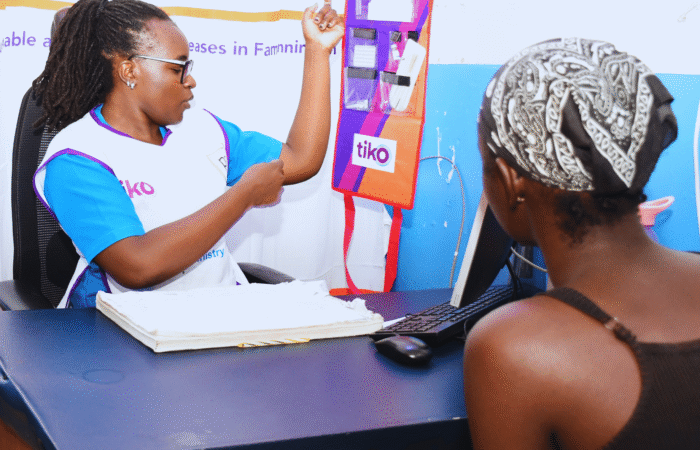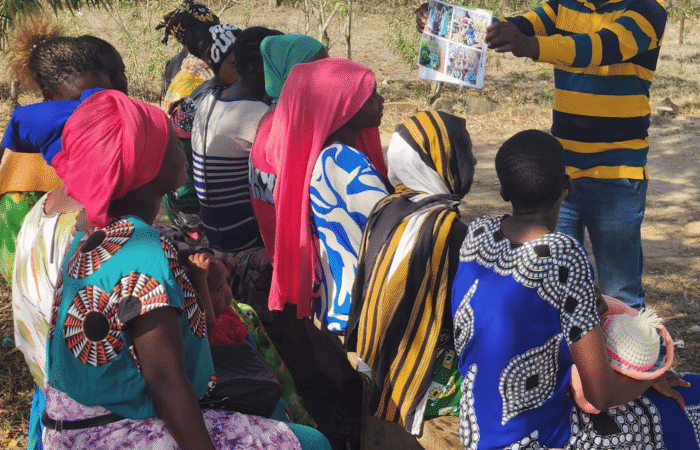
A young woman wants to insist on condom use but worries her partner will think she does not trust him.
A university student is unsure whether what happened on a date was consensual.
A young man wants to support his partner but does not know how to help her choose a contraceptive method that works for her.
A couple wants to talk about family planning, but neither knows how or where to begin.
A woman is curious about trying lube but worries her partner may think something is wrong with her.
These conversations happen every day, yet many people still struggle to find safe, trusted spaces where they can ask questions, seek guidance, and access accurate information.
For some, the barriers are stigma and cultural norms. For others, it is misinformation, fear of judgment, or uncertainty about where to seek help. The result is that many people are left making important decisions about their sexual health, reproductive health, relationships, and wellbeing without the information they need.
This is why conversations about sexual health and wellbeing matter.
Sexual health is not only about preventing disease or avoiding unintended pregnancies. It is about confidence, communication, consent, healthy relationships, informed decision-making, pleasure, self-care, and overall wellbeing.
Consent remains one of the most important and often misunderstood aspects of healthy relationships. Understanding consent helps people establish boundaries, communicate openly, respect one another’s choices, and build safer and healthier relationships.
At PS Kenya, we have learned that meaningful engagement is one of the most effective ways to improve health outcomes. People are more likely to adopt healthy behaviours when they have access to information they trust, opportunities to ask questions, and platforms where conversations can happen openly and respectfully.
Through the Trust Brands portfolio and programs such as A360 and Accelerate, PS Kenya continues to create opportunities for conversations around sexual and reproductive health, family planning, HIV prevention, consent, relationships, and wellbeing to happen both online and offline.
Whether through community activations, youth engagement forums, campus outreach activities, health events, digital campaigns, social media conversations, influencer partnerships, podcasts, or community dialogue sessions, the goal remains the same: creating trusted spaces where people can ask questions, challenge myths, and access accurate information about sexual health, contraception, family planning, HIV prevention, condom use, consent, relationships, and wellbeing.
The conversations we facilitate go beyond condoms and contraception. They explore issues that matter to people’s everyday lives, including consent, relationships, family planning, HIV prevention, sexual confidence, pleasure, reproductive health, sexual wellbeing, and self-care.
These engagements also provide an opportunity to listen. They help us understand the concerns, experiences, and information needs of different audiences so that health communication remains relevant, responsive, and grounded in real life.
Over the years, we have seen how honest conversations can challenge harmful myths, encourage condom use, increase family planning uptake, strengthen HIV prevention efforts, promote healthier relationships, and support informed choices about sexual and reproductive health.
As more people turn to digital platforms for information, the need for trusted and relatable content continues to grow. Social media, digital storytelling, online communities, podcasts, and influencer engagement are increasingly shaping how people learn, connect, and seek support.
This is why PS Kenya continues to invest in community engagement, behaviour change communication, and digital innovation. By combining on-the-ground activations with audience-centred digital engagement, we are creating spaces where conversations about sexual health, consent, relationships, contraception, family planning, HIV prevention, pleasure, self-care, and wellbeing can happen openly, responsibly, and without stigma.
These conversations are helping people access services, make informed decisions, build healthier relationships, and take greater control of their health and wellbeing. They are also helping create a culture where asking questions about sexual and reproductive health is seen not as something to fear or hide, but as an important part of living a healthy life.
Because when people have access to trusted information, they gain more than knowledge.
They gain the confidence to make informed decisions, protect their health, build healthier relationships, and improve their overall wellbeing.