Please ensure Javascript is enabled for purposes of website accessibility

Turning Youth Potential into Jobs, Enterprises and Sustainable Livelihoods Subheading

Kenya does not have a youth potential problem—it has an opportunity access problem. The Wellbeing Youth Enterprise Movement connects young people directly to skills, production, jobs, enterprise opportunities, and sustainable income generation.

Kenya Does Not Have a Youth Potential Problem. It Has an Opportunity Access Problem. Key Statistics

75% of Kenya's population is under 35 years.
2 in 3 young people lack stable, dignified livelihoods.
0%
of Kenyans live below the poverty line, with youth from low-income families most affected. Despite significant investments in training, unemployment remains high because skills alone do not create livelihoods.
Youth Wellbeing Empowerment

We Must Turn Potential Into Opportunity

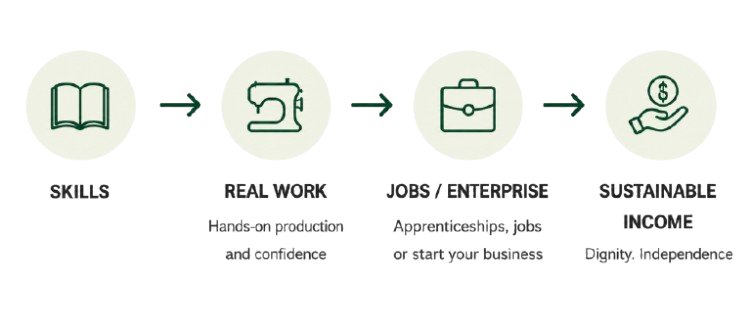
To break cycles of poverty, we must move beyond training programmes and invest in market-driven solutions that connect young people directly to jobs, enterprise opportunities, productive value chains, and sustainable income generation.

Our Solution

Practical Approach to Youth Empowerment

Sed ut perspiciatis unde omnis iste natus error sit voluptatem accusantium doloremque laudantium, totam rem aperiam, eaque ipsa quae ab illo inventore veritatis et quasi architecto beatae vitae dicta sunt explicabo. Nemo enim ipsam voluptatem quia voluptas sit aspernatur aut odit aut fugit

Our Approach

Rather than training youth and leaving them to find opportunities, we connect them directly to:

Skill Development

Production

Employment

Entrepreneurship

Income Generation

Markets

One Industry. One Ecosystem. Economic Transformation.

Why Textiles & Garmets

A High-Potential Sector for Youth Employment

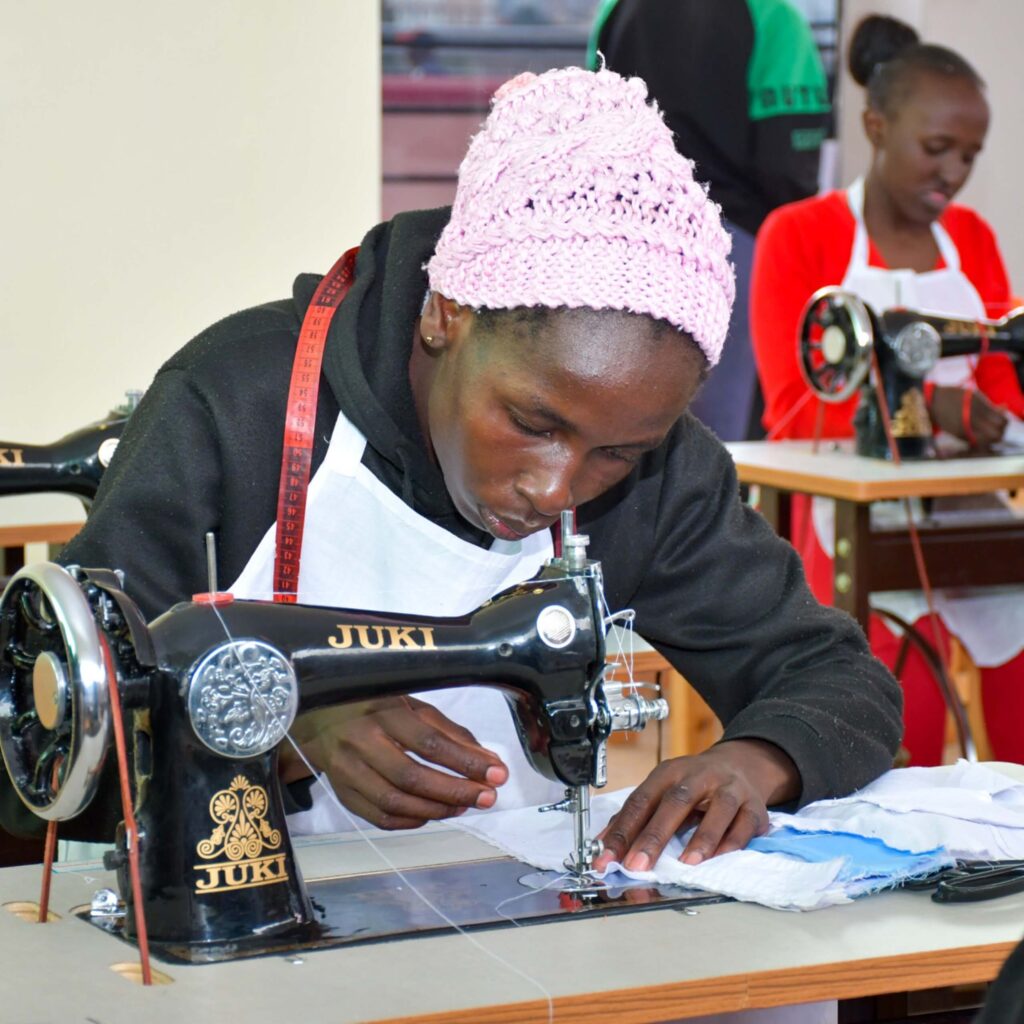
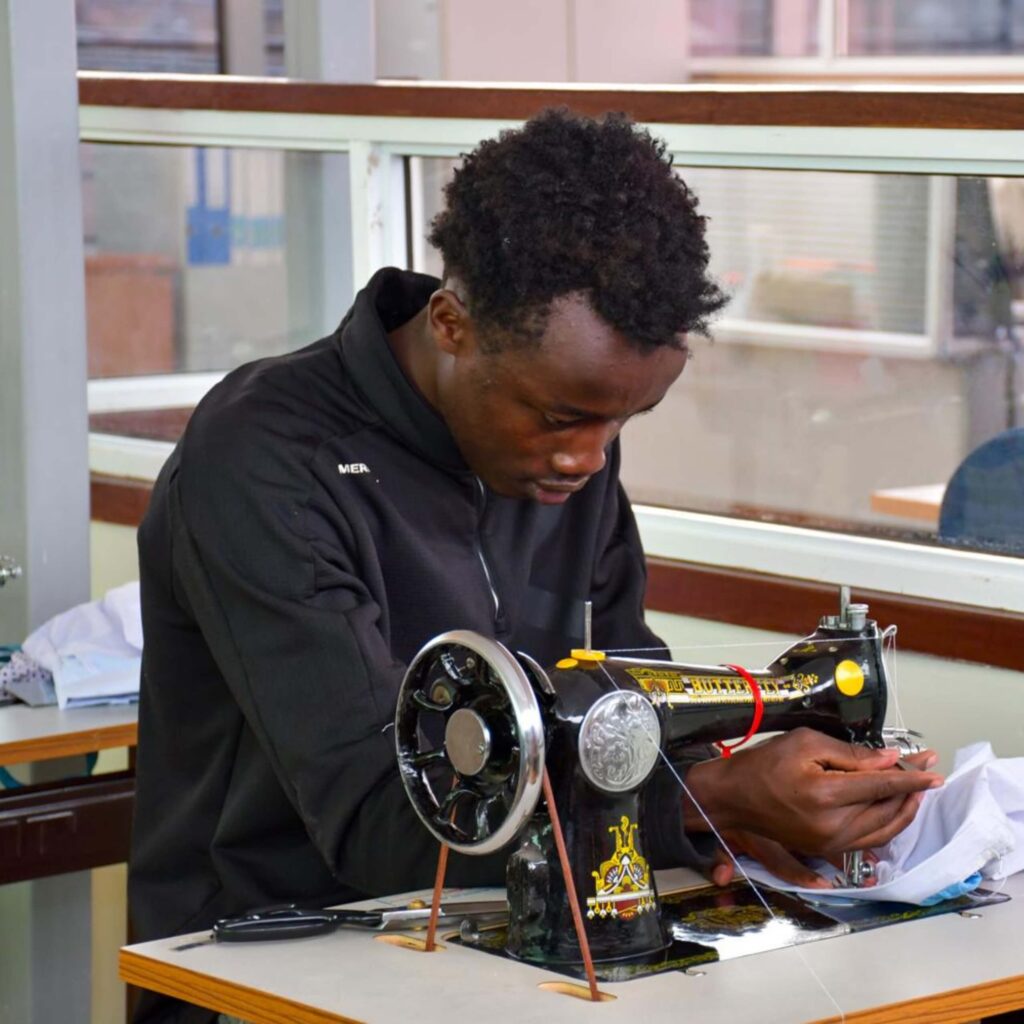
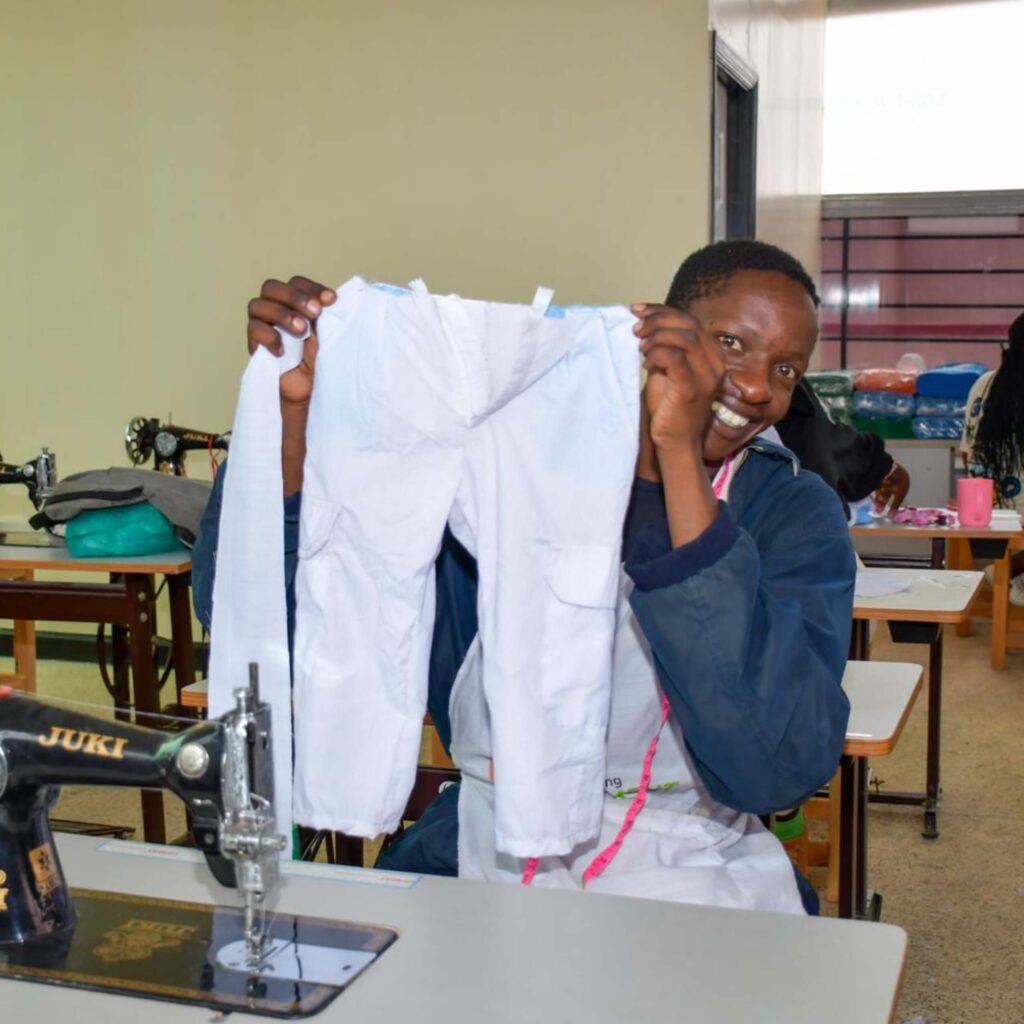
Textiles and garments offer a practical and scalable pathway to jobs and enterprise development.

  • Skills Development
  • Production
  • Employment
  • Entrepreneurship
  • Markets
  • Income Generation

Market Opportunities

  • School Uniforms
  • Corporate Apparel
  • Promotional Merchandise
  • Industrial Wear
  • Institutional Wear
  • Fabric-Based Products

Our Progress

From Concept to Implementation

We have moved beyond concept. The foundation has been established and implementation is underway. We are now focused on expanding production capacity, creating more jobs, and supporting more youth-owned enterprises.

What We Need Next

Production equipment

Working Capital

Enterprise incubation support

Market expansion

Strategic partnerships

“We have built something real. Your support helps turn potential into skills, jobs, businesses, and transformed futures.”

How You Can Partner

Sponsor

Host or Sponsor:

  • Golf tournaments
  • Corporate challenges
  • Fundraising dinners
  • Employee giving campaigns

Open Doors

Mobilize your network by introducing:

  • Partners
  • Investors
  • Clients
  • Industry leaders

Create Demand

Procure:

  • School uniforms
  • Corporate apparel
  • Promotional merchandise
  • Textile products made by youth

Donate Equipment

Donate

  • Sewing machines
  • Fabric
  • Production materials
  • Computers
  • Digital Tools

Why PS Kenya

A Trusted Social Impact Partner

PS Kenya has a proven track record of delivering sustainable, community-led impact at scale.

0+
Youth entrepreneurs engaged
+0K
Retail outlets reached
0+
Private health facilities supported
+0M
Youth reached annually with health information, services, and life skills

Why it matters

For over three decades, PS Kenya has partnered with communities, government, and the private sector to create sustainable solutions that improve lives and strengthen local economies.

The Impact You Create

Individual

Transform Life

Provide pathways to skills, employment, entrepreneurship, and sustainable livelihoods.

Corporates

Advance ESG commitments.

Create measurable social impact while supporting youth economic empowerment.

Communities

Create lasting change

Generate jobs, strengthen enterprises, and stimulate local economic growth.

Kenya's youth do not need another training programme. They need access to opportunity.
Together, we can make that happen