“Kenya does not have a youth potential problem; it has an opportunity access problem.”
Every young person deserves the opportunity to dream.
The opportunity to learn. To earn an income. To build a business. To support their family. To believe that tomorrow can be better than today.
Yet for many young people, especially those from vulnerable communities, these opportunities remain just out of reach. Talent is everywhere, but access to skills, employment, mentorship, and sustainable livelihoods is not. As a result, too many young people find themselves trapped in cycles of unemployment, poverty, and uncertainty, not because they lack ambition, but because they lack the opportunity to turn that ambition into action.
This is why youth empowerment must go beyond training.
For many years, programmes have focused on equipping young people with technical skills, assuming that skills alone would naturally lead to employment. While training remains essential, experience has shown that skills without opportunity often leave young people asking the same question: What happens next?
True youth empowerment connects learning with opportunity. It creates pathways where young people can gain practical experience, earn an income, develop confidence, and build enterprises that continue long after training has ended. It recognises that employment, entrepreneurship, mental wellbeing, financial independence, and dignity are deeply connected. When one improves, the others often follow.
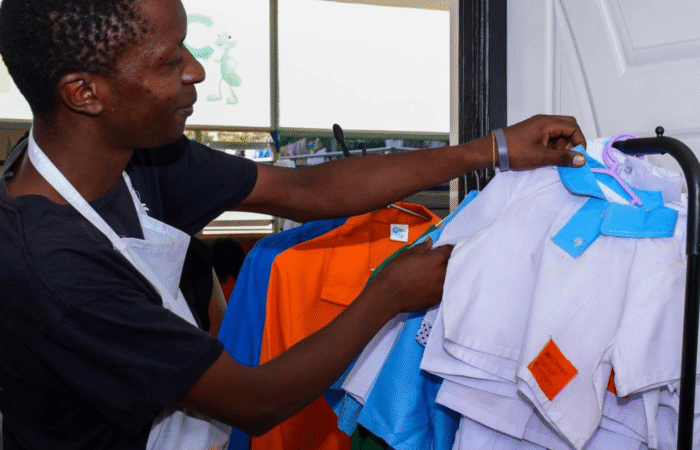
This thinking is at the heart of the WellBeing Youth Enterprise Movement. Rather than preparing young people for opportunities that may never come, the Movement is creating an ecosystem where learning and earning happen together. Through vocational training, business and life skills, health education, mental wellbeing support, and real production opportunities, young people are developing practical skills while producing garments for real customers and preparing for employment or entrepreneurship.
The decision to focus on textiles is equally intentional. School uniforms, workwear, institutional garments, and other textile products create consistent market demand, providing one of the fastest pathways from skills to sustainable income. This means young people are not simply learning a trade; they are participating in an industry with real economic opportunity.
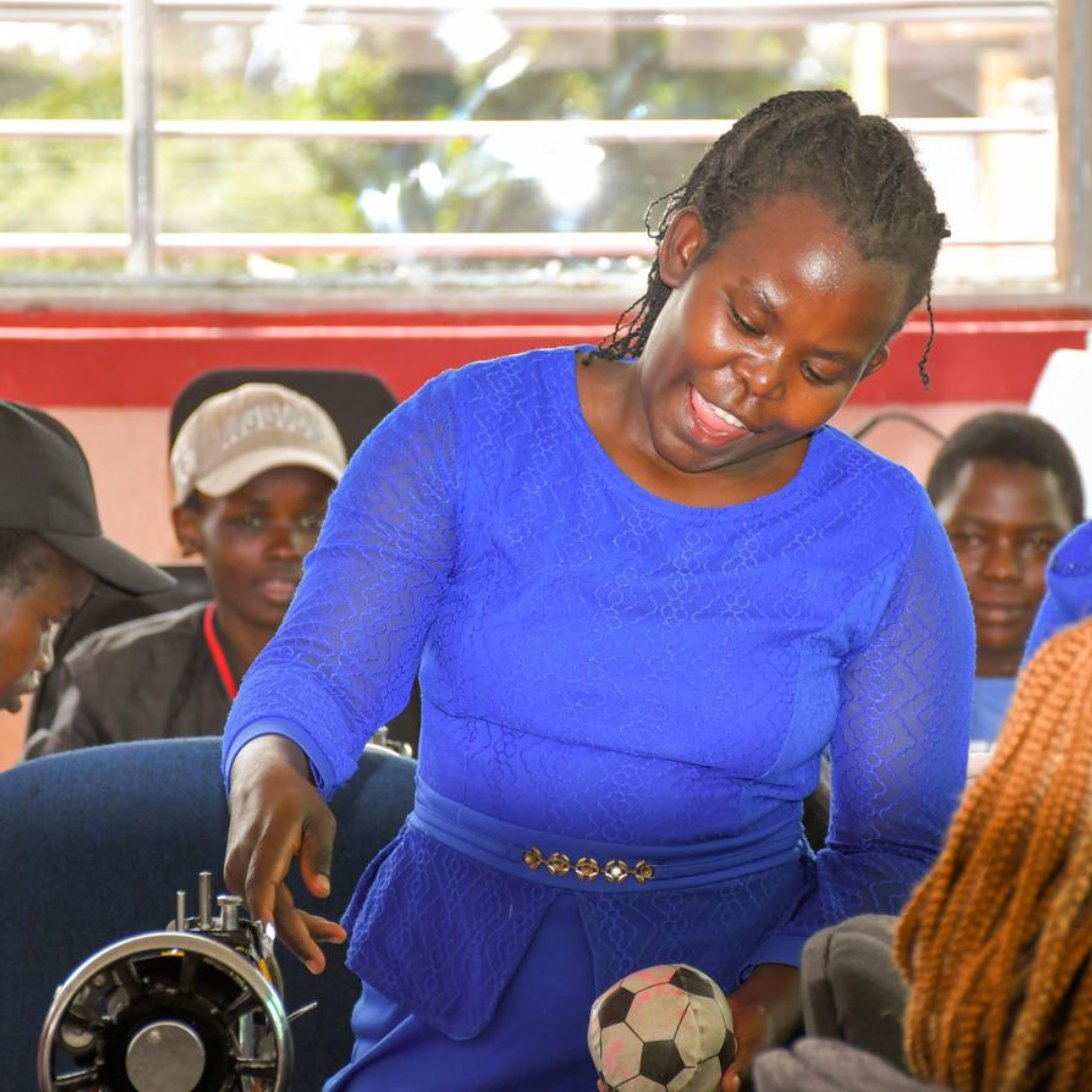
For 24-year-old Neema, that opportunity represents much more than learning how to sew. It represents the chance to build the future she has always wanted for herself and her seven-year-old child. After financial hardship forced her to leave school, she moved to Nairobi and worked as a domestic worker before starting a small vegetable business that struggled to provide a sustainable income. When she heard about the WellBeing Youth Enterprise Movement through community workers, she saw something she had not found before: a pathway to independence.
Reflecting on her journey, Neema says: “When I joined the WellBeing Movement, I didn’t know how to operate a sewing machine. The trainer was patient with me and helped me learn despite failing many times. With the knowledge I have now, I am confident that I can make quality clothes and eventually open a tailoring business for myself.”
Today, Neema is learning far more than tailoring. Through goal-setting sessions, business skills, and practical production experience, she has developed discipline, confidence, and a renewed sense of purpose. Her story reminds us that the WellBeing Youth Enterprise Movement is about more than skills training. It is about restoring confidence, nurturing ambition, and creating pathways to self-reliance.
The impact extends far beyond employment. When young people earn an income, they gain confidence to pursue their ambitions, support their families, and contribute to their communities. Economic empowerment strengthens mental wellbeing, restores dignity, and helps break cycles of poverty that can persist across generations. As more young people transition from learning to earning, they also become innovators, entrepreneurs, employers, and role models for others.
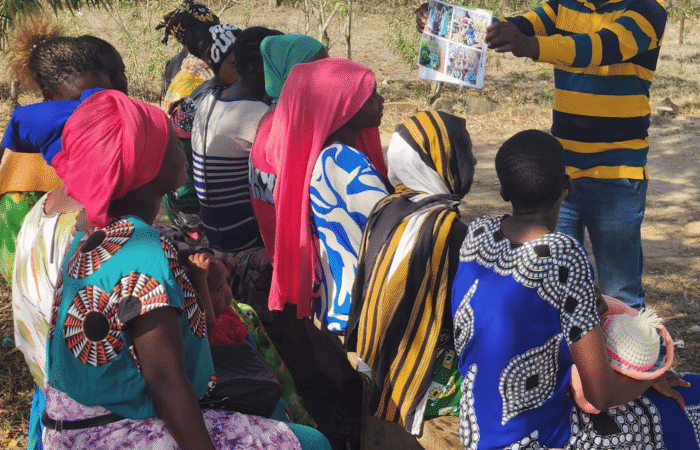
At PS Kenya, we believe youth empowerment, community health, and sustainable development are closely connected. Young people who have access to economic opportunities are better positioned to make informed decisions about their health and wellbeing, build resilient livelihoods, and contribute to stronger communities. Through the WellBeing Youth Enterprise Movement, we continue working alongside partners, businesses, and communities to transform potential into opportunity and opportunity into lasting economic independence.
Because every young person deserves more than hope.