For adolescent girls and young women, the choices they make about their health, education and future are shaped by the opportunities available to them. In Kilifi County, those choices can be harder to navigate where poverty, limited access to information and services, low literacy and social expectations intersect.
The scale of the challenge is reflected in the 2022 Kenya Demographic and Health Survey (KDHS): 13% of women aged 15–19 in Kilifi County had ever been pregnant, compared with 15% nationally. The figure represents more than a statistic. For some girls, an unplanned pregnancy can interrupt education, narrow economic opportunities and alter the trajectory they had imagined for themselves.
By 2025, facility-level health information was still pointing to areas requiring focused attention. KHIS data for January to December identified Tsangatsini Dispensary among the leading facilities in Kaloleni Sub-County for adolescent pregnancies, highlighting the importance of reaching girls before vulnerability becomes a defining part of their story.
This is where PS Kenya, through the A360 Bridge to Accelerate programme, is connecting adolescent health with something equally important: the confidence, skills and opportunities to act on informed choices. Supported by the Children’s Investment Fund Foundation (CIFF), the approach recognises that information alone does not always change a young woman’s trajectory. She also needs practical pathways that make her aspirations achievable.
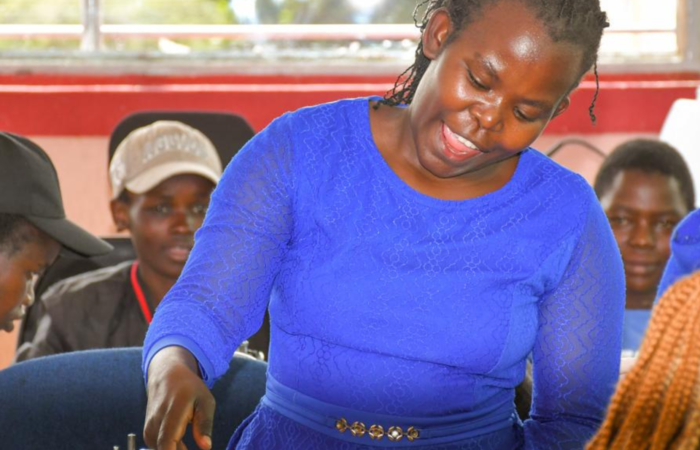
In August 2026, adolescent girls and young women aged 15–24 from the Tsangatsini area took part in a two-day mentorship covering sexual and reproductive health and rights, budgeting and saving, goal setting, decision-making, communication and negotiation, personal health and hygiene, building trust and the importance of education.
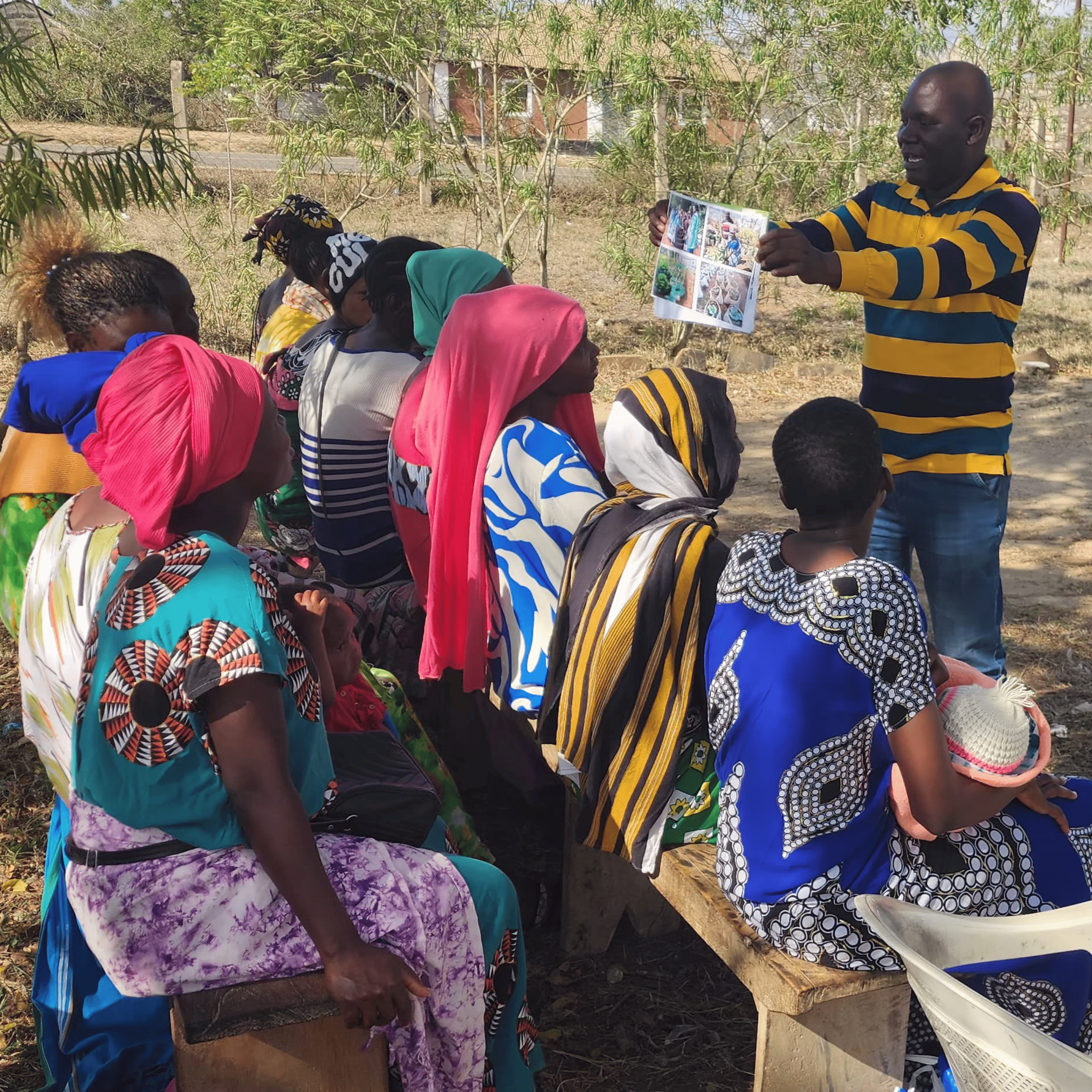
What made the intervention different was what happened alongside the mentorship. A healthcare provider provided accurate information on family planning and contraceptive choices; an agriculture officer introduced kitchen gardening as a pathway to nutrition and potential income; and a Tsangatsini Vocational Training Centre instructor opened a window into practical careers, including fashion design and tailoring, beauty and hairdressing, masonry, and mechanical and electrical engineering.
The response was immediate. Outcome tracking recorded 20 participants completing the mentorship, with all 20 subsequently registering for vocational training. Eight enrolled in fashion design and tailoring, while 12 chose hairdressing and beauty. Three weeks later, follow-up showed strong attendance, visible skills acquisition and continued motivation.
For PS Kenya, this is the deeper measure of impact: creating a pathway where health knowledge can lead to informed choices, confidence can translate into action, and aspiration can become opportunity.
But the journey does not end at enrolment. Many of the girls come from households where tuition, examination and training material costs remain significant barriers. As stakeholders explore bursaries and other forms of support, there is an opportunity to ensure that the girls who have taken the first step can stay the course, complete their training and turn their skills into sustainable livelihoods. Continued collaboration and investment can help keep that pathway open, ensuring that a girl’s decision to pursue a different future is matched by the opportunity to achieve it.
The experience in Kayafungo offers a broader lesson. When adolescent health, life skills, vocational training and community support come together, a vulnerable moment can become an opening to something different: greater agency, practical skills and a clearer path forward.
Sustaining that pathway means continuing to invest in the connections that make opportunity possible, so that the aspirations sparked today can become skills, livelihoods and futures shaped on the girls’ own terms.