

A mother pours a water treatment solution into a bucket before preparing the evening meal. A child sleeps peacefully beneath a treated mosquito net. A young couple quietly makes a decision that protects their future. A woman leaves a pharmacy with a family planning method that gives her greater control over her life.
These moments feel ordinary.
Yet each represents one of public health’s greatest achievements, not because of the products themselves, but because someone transformed a national health challenge into a practical solution that people could use every day.
That may be the true measure of successful public health. We often celebrate the diseases we defeat, the lives we save, or the policies we influence. Yet its greatest legacy is far quieter: solutions that become so familiar they become part of everyday life.
Long before conversations about Universal Health Coverage, resilient health systems, and sustainable healthcare financing became central to Kenya’s development agenda, another idea was already reshaping how people accessed healthcare. It was founded on a simple belief: improving health should not begin only in hospitals and clinics. It should begin where people live, work, shop, and make everyday decisions about their wellbeing.
This belief became the foundation of social marketing. For more than three decades, it has been demonstrated that improving health is not only about developing medicines or expanding healthcare infrastructure. It is about making proven health solutions affordable, accessible, and trusted by the people who need them most. Today, that philosophy continues through PS Kenya’s Social Enterprise, combining public health goals with sustainable commercial approaches that ensure trusted health solutions remain within reach.
Few examples illustrate this better than Kenya’s response to the HIV epidemic in the 1990s. As HIV spread rapidly across the country, fear, stigma, and limited access to prevention placed millions at risk. Responding to the crisis required more than awareness campaigns; it required making prevention easier to access. Social marketing helped transform condoms from products found mainly in health facilities into practical prevention tools available through neighbourhood shops, supermarkets, pharmacies, and other retail outlets. This approach gave rise to Trust Condoms, making quality protection affordable, accessible, and widely accepted while encouraging more open conversations about HIV prevention and safer sexual practices.
The lesson was simple but profound.
People were not looking for a product.
They were looking for protection.
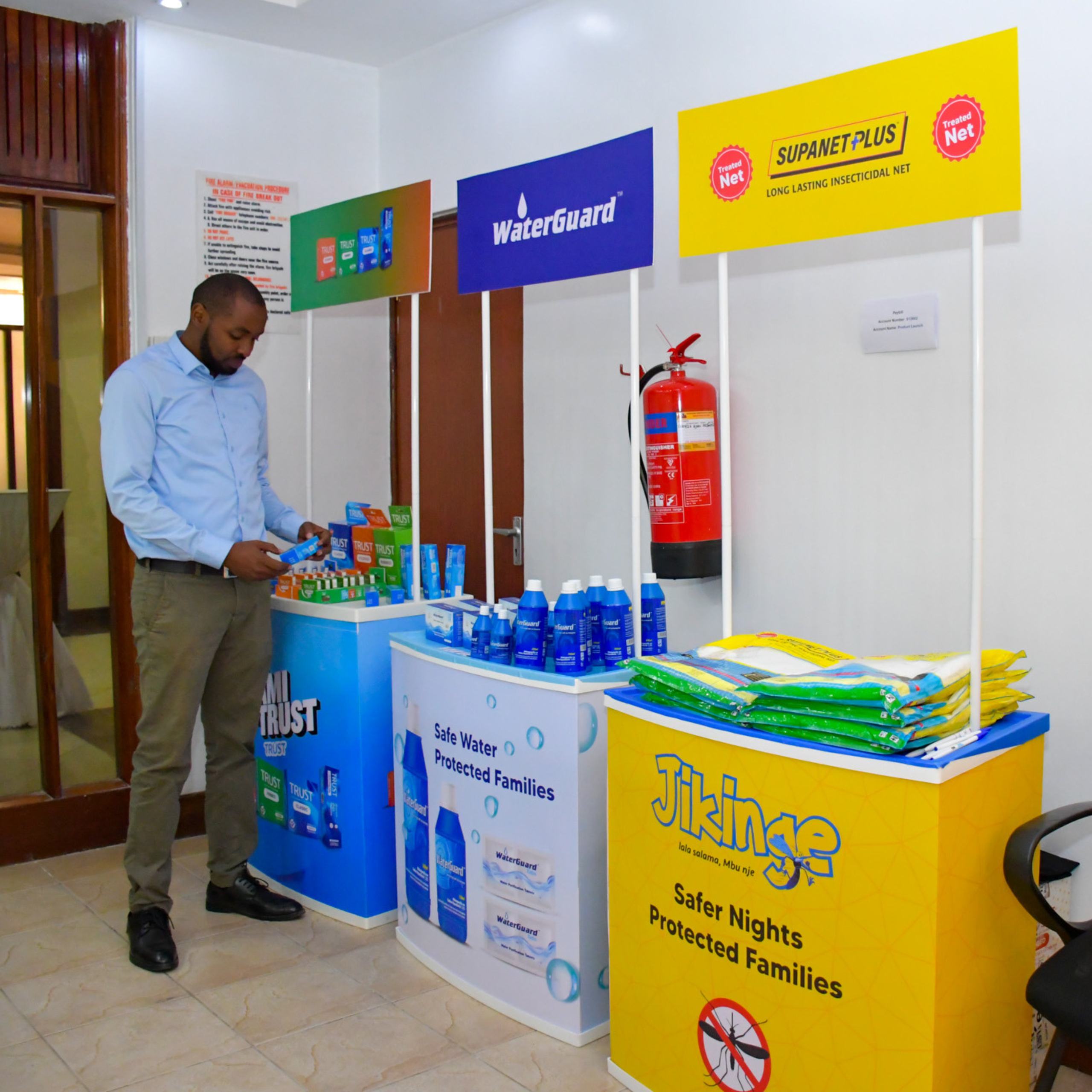
That same thinking has continued to shape responses to other public health challenges. SupanetPlus Treated Net made malaria prevention more accessible to families. WaterGuard enabled households to make drinking water safer using the water they already had. Family planning products such as Femiplan and Femiject expanded contraceptive choice, giving women and couples greater control over their reproductive health. More recently, Trust Lubricating Jelly has reflected a broader understanding of health that includes comfort, dignity, confidence, and sexual wellbeing.
Different health challenges required different solutions.
The principle, however, never changed.
Start with the problem.
Then design a solution people can easily access, trust, and use.
That philosophy continues to guide PS Kenya’s Social Enterprise today. Working alongside government, manufacturers, distributors, pharmacies, healthcare providers, and other private sector partners, the department helps strengthen the systems that connect trusted health solutions to the people who need them. Beyond making products available, it contributes to stronger supply chains, healthier markets, greater consumer choice, and long-term access through sustainable commercial approaches that complement public health services.
The impact of this approach continues to be seen across Kenya. In 2025 alone, PS Kenya’s Social Enterprise Department distributed 26.4 million Trust Condoms, more than 4.3 million Femiplan oral contraceptive pill cycles, and enough WaterGuard to treat over 1.28 billion litres of drinking water. Behind every figure is the same objective: helping people protect their health through solutions they can access, trust, and continue using.
As the global health landscape evolves, this approach has become even more important. Funding priorities shift. Projects come to an end. Donor support changes. Communities, however, continue needing protection from HIV, malaria, and waterborne diseases. Women continue seeking family planning services, while young people continue making decisions about their sexual and reproductive health.
Health challenges do not disappear because projects end.
Neither should the solutions.
Perhaps this is the greatest lesson from Kenya’s public health journey.
The most successful public health interventions are rarely remembered because of the campaigns that introduced them. They are remembered because they become part of everyday life.
A child sleeps safely beneath a mosquito net.
A family drinks clean water with confidence.
A woman plans her future on her own terms.
A young person protects themselves from HIV and other sexually transmitted infections.
These moments happen quietly every day across the country. They rarely make headlines, yet together they represent one of public health’s greatest achievements.
For PS Kenya’s Social Enterprise Department, success has never been defined by the number of products on a shelf. It is measured by something far more meaningful: whether those solutions continue protecting lives long after campaigns have ended, projects have closed, and funding priorities have changed.
The greatest public health innovations become so deeply woven into everyday life that people no longer think of them as interventions. They simply become part of how a nation cares for itself.
That is the legacy of prevention.
And that is the legacy PS Kenya continues building through its Social Enterprise Department, not by creating products, but by ensuring life-changing health solutions remain within reach for every Kenyan.