For many adolescent girls in Bungoma County, pregnancy comes with challenges that extend far beyond preparing for childbirth. Poverty, stigma, interrupted education, limited access to reproductive health information, and social isolation often leave young mothers navigating pregnancy with little support.
For pregnant adolescents, the risks are even greater. Malaria during pregnancy can lead to severe anemia, miscarriage, stillbirth, premature delivery, low birth weight, and other complications that threaten the health of both mother and baby.
While antenatal care services are available through health facilities, many teenage mothers also need safe spaces where they can access information, ask questions, receive emotional support, and connect with others facing similar experiences.
To help address this need, Population Services Kenya (PS Kenya), through Amref’s Global Fund Malaria Program, has established teenage mothers’ support groups across Webuye West, Sirisia, and Webuye East sub-counties in Bungoma County.
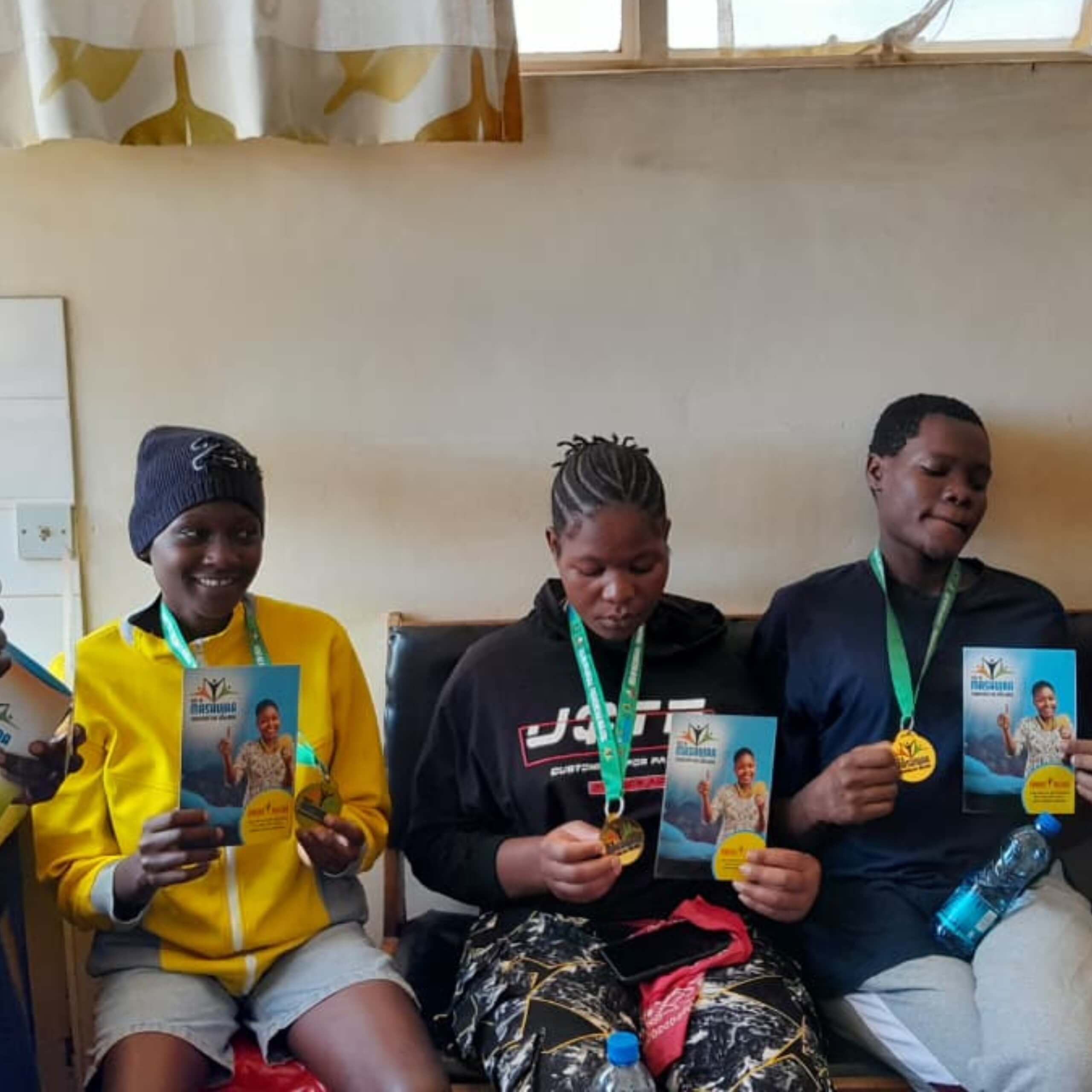
Each quarter, adolescent girls are enrolled into support groups that provide health education, mentorship, psychosocial support, and practical guidance throughout pregnancy and early motherhood. In 2025, the initiative reached 120 teenage mothers across the three sub-counties.
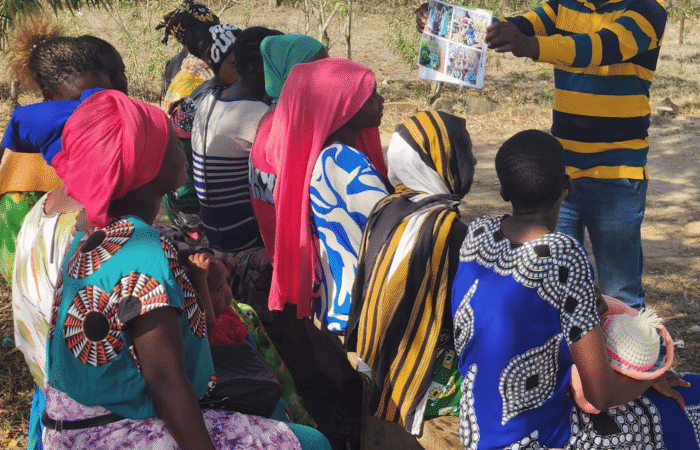
What makes the support groups unique is their peer-led approach. Rather than simply receiving information, teenage mothers actively participate in discussions, share experiences, ask questions, and learn from one another in a safe and supportive environment.
At the centre of the model is the mentor mother—a fellow adolescent who has already experienced pregnancy and childbirth. Through shared experience, mentor mothers provide practical advice, encouragement, and reassurance to participants facing uncertainty and fear.
This peer connection helps build trust, reduce stigma, and create a sense of belonging among young mothers who may otherwise feel isolated.
Malaria prevention remains a core focus of every session. Pregnant adolescents are particularly vulnerable to malaria-related complications, making prevention and early care-seeking essential for protecting both mother and child.
Participants receive practical information on malaria transmission and prevention, signs and symptoms, proper and consistent use of mosquito nets, environmental malaria control measures, the importance of seeking care early during pregnancy, and practical actions that help protect both mother and unborn child.
Through interactive discussions and practical demonstrations, the program helps translate knowledge into action at household level.
Recognizing that teenage pregnancy is often accompanied by emotional, social, and economic challenges, the support groups have evolved into a broader platform for adolescent health and wellbeing.
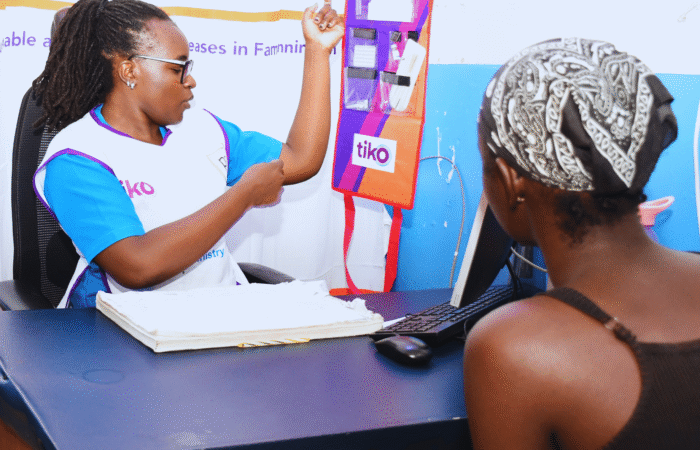
In addition to malaria prevention, participants receive mental health support, reproductive health education, stigma reduction counselling, life skills development, and information on future opportunities. Following each session, participants have the opportunity to speak privately with a nurse or counsellor about personal concerns and receive individualized support.
This holistic approach is helping adolescent mothers build confidence, improve their wellbeing, and navigate pregnancy and early motherhood with greater dignity and hope.
The need for adolescent-responsive maternal health services in Bungoma remains significant. According to KHIS 2025 data, the targeted geographies recorded 51 first antenatal care visits among girls aged 10–14 and 2,812 first antenatal care visits among girls aged 15–19, representing a total of 2,863 teenage pregnancies.
During the same period, Bungoma County recorded 77 malaria-related deaths, highlighting the continued burden of malaria and the risks faced by vulnerable populations, including pregnant adolescents.
Against this backdrop, the 120 girls reached through the support group model represent an important start while also highlighting the need for expanded investment and scale.
Early experience from the intervention demonstrates the value of integrating malaria prevention, maternal health, mental health support, reproductive health information, and peer mentorship within a single community platform.
Expanding the model could help increase malaria prevention coverage among pregnant adolescents, strengthen linkage to antenatal care services, improve maternal and newborn health outcomes, reduce stigma and social isolation, strengthen psychosocial wellbeing, and build sustainable community-based support systems for young mothers.
For partners and donors, the model presents an opportunity to invest in an integrated adolescent health approach that protects both mothers and babies while helping young women build healthier and more resilient futures.
As Bungoma continues to address the challenges of teenage pregnancy and malaria, community-based support systems such as these can play an important role in ensuring that no young mother faces pregnancy alone.