

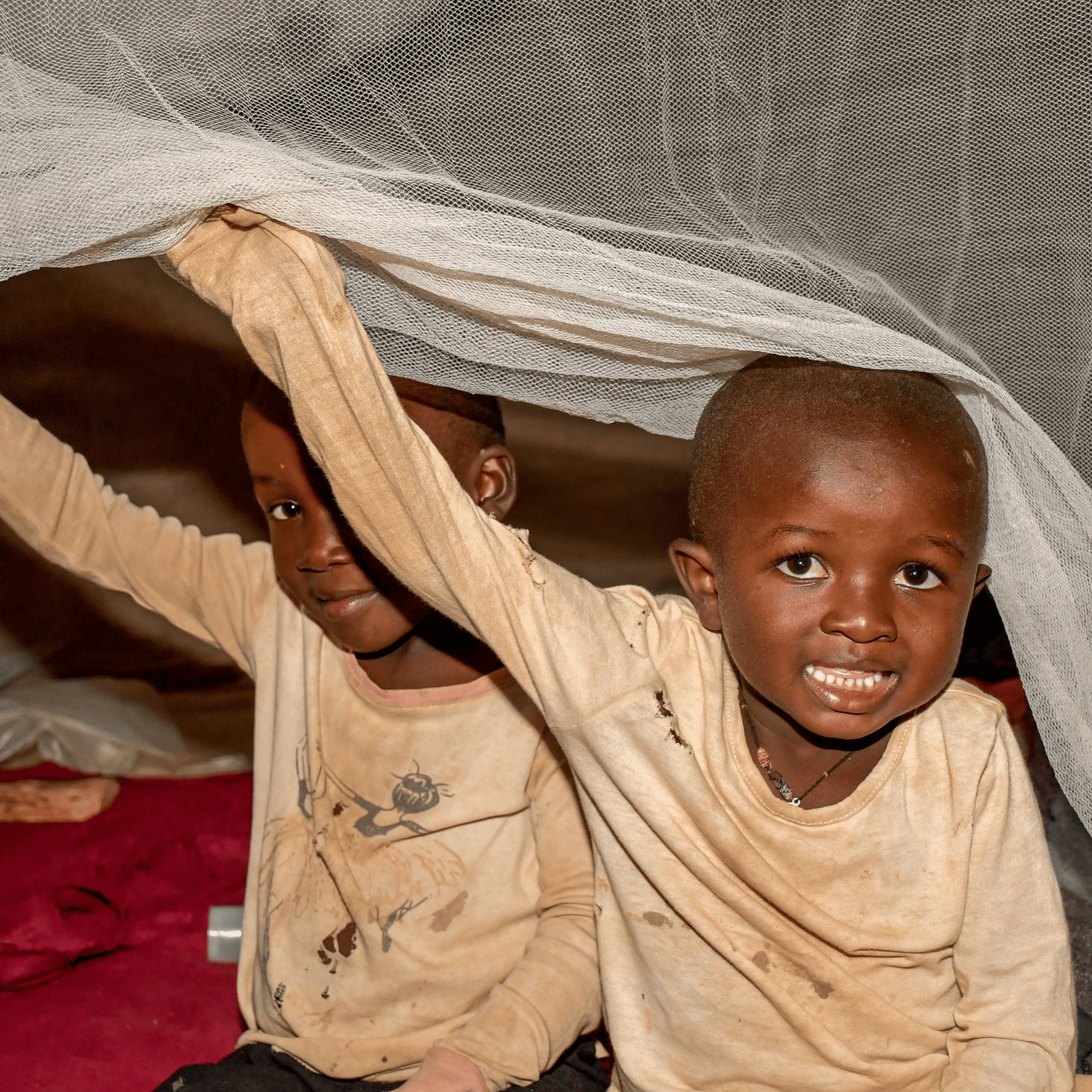
No parent wants to spend the night watching over a child with a high fever.
No mother should worry that a single mosquito bite could put her pregnancy at risk.
No family should have to choose between paying for malaria treatment and buying food, paying school fees, or meeting other daily needs.
Yet for many families living in malaria-prone communities, these are realities they continue to face every rainy season.
Malaria is more than a disease. It interrupts childhood, keeps children out of school, reduces household incomes, places additional pressure on health facilities, and threatens the health of pregnant women and young children, who remain among the most vulnerable. Its impact extends beyond the individual, affecting families, communities, and local economies.
The encouraging news is that malaria is largely preventable. When communities have access to quality prevention tools, trusted health information, timely diagnosis, and effective treatment, countless illnesses can be avoided before they begin. A child stays in school instead of a hospital bed. Parents continue providing for their families instead of worrying about medical bills. Pregnancies are safer. Communities are healthier.
As Kenya prepares for the possibility of above-average rainfall associated with El Niño, strengthening malaria prevention becomes even more important. Increased rainfall creates ideal breeding conditions for mosquitoes, increasing the risk of malaria transmission in many parts of the country. Preparing early gives families and communities the best opportunity to protect themselves before malaria cases begin to rise.
At PS Kenya, we work alongside National and county governments, healthcare providers, communities, and other development partners to strengthen malaria prevention through health systems strengthening and community-based interventions. As a sub-recipient of AMREF Health Africa under the Global Fund(GC7), we are supporting Kenya’s malaria response in Busia, Bungoma, and Kericho counties by expanding access to timely diagnosis, treatment, and prevention. Through community engagement,community health promoters and health care providers training, strengthened health systems, and integrated malaria services, we are helping bring quality malaria prevention and care closer to the communities that need it most.
Beyond programme implementation, PS Kenya’s Social Enterprise plays an equally important role in protecting families across the country. Through SupaNet and the newly launched SupaNetPlus long-lasting insecticide-treated mosquito nets, families can access trusted malaria prevention products through wholesalers, distributors, supermarkets, retail outlets, and other commercial channels nationwide. By combining community-based programmes with sustainable market access, we are helping ensure that quality malaria prevention remains accessible long after individual projects have ended.
Preventing malaria is not the responsibility of one organisation or one intervention. It requires governments, healthcare providers, communities, development partners, the private sector, and families working together. Sleeping under a treated mosquito net every night, seeking care early when symptoms appear, eliminating mosquito breeding sites around homes, and supporting community prevention efforts are simple actions that collectively save lives.
Perhaps this is the greatest strength of malaria prevention. Its success is often invisible. It is reflected in the child who never misses school because of malaria, the mother who enjoys a healthy pregnancy, the family that never has to choose between paying for treatment and putting food on the table, and the community that continues to thrive because malaria never had the opportunity to interrupt everyday life. These are the quiet victories that remind us prevention is always better than cure.
As the rains approach, we all have a role to play. Governments, healthcare providers, communities, development partners, the private sector, and families each contribute to protecting the people we love. By strengthening prevention today and ensuring every household has access to trusted malaria prevention tools, we can reduce the burden of malaria before it has the chance to change another life.
Because the greatest victory against malaria is not treating the disease after it happens; it is preventing it from happening in the first place.