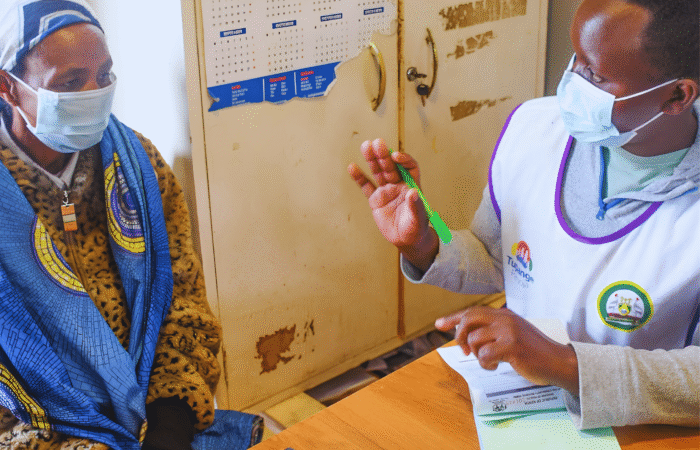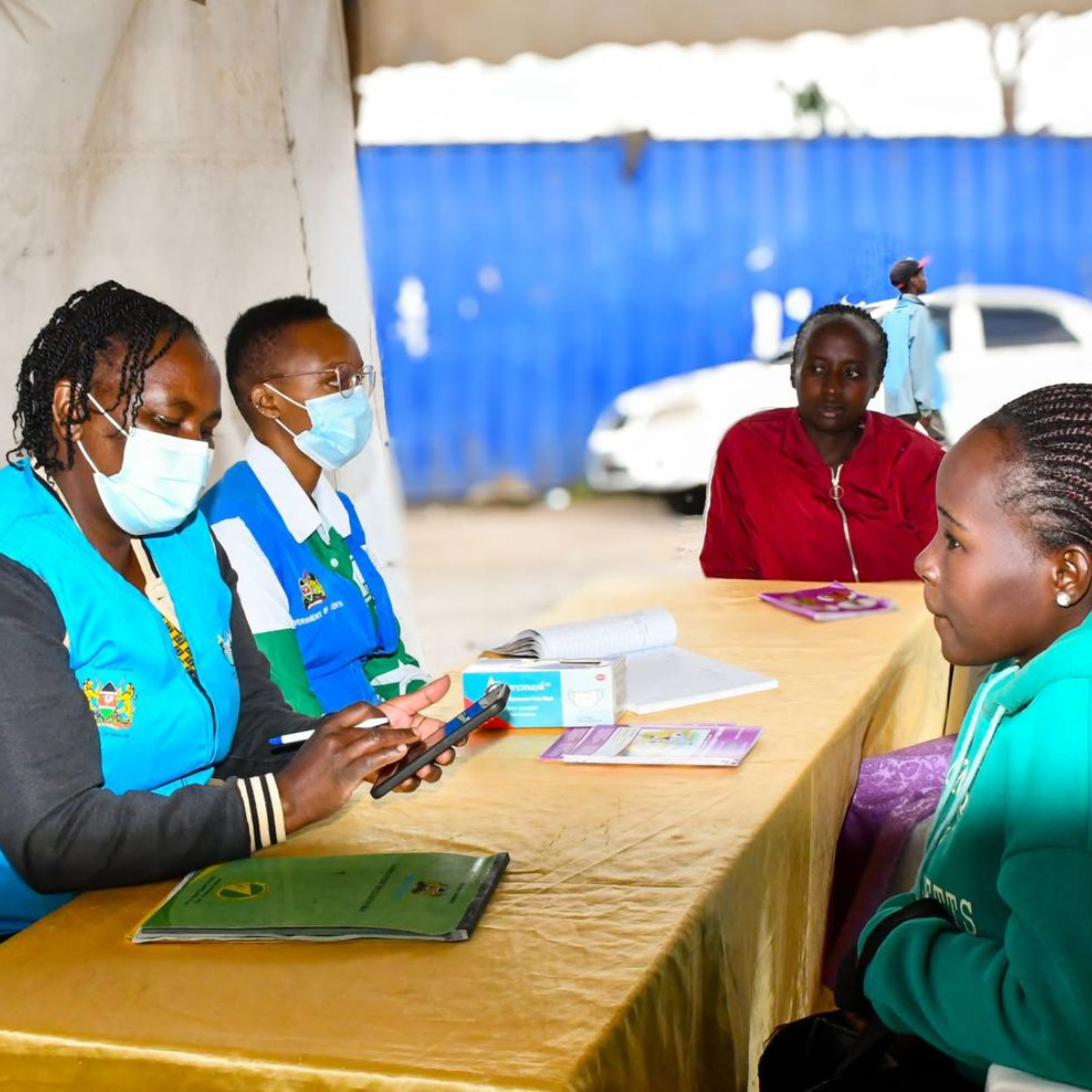
In Nairobi County, the journey to better health for many patients does not begin in a clinic, but in the community.
For people living with disabilities, those struggling with alcohol or drug dependence, and chronic interrupters who repeatedly fall out of TB treatment, the path to recovery is often unpredictable. Their lives are shaped by stigma, poverty, and mental health challenges that make adherence to TB treatment difficult. Yet these are the very patients who need support the most.
Through our community-based initiative, we are reshaping this reality by bringing Directly Observed Therapy (DOT) to the Vulnerable population.
Community health promoters (CHPs) across Nairobi are stepping into homes, informal settlements, and even drug dens to ensure patients receive their medication daily. Each visit is more than a pill check; it is a moment of encouragement, a chance to screen household contacts, and an opportunity to address the social and psychological barriers that stand in the way of recovery.
PS Kenya has supported 185 vulnerable patients in Nairobi. Many had histories of interrupted treatment, yet with consistent follow-up; 95% were cured or completed therapy. Behind these numbers are powerful stories:
- A patient in Edarp Komarock who had abandoned treatment and lost his job has now completed treatment and is cured after daily DOT visits which gave the hope he needed.
- Kayole Soweto, community actors, worked with patients in drug-use settings, helping them stay on medication while tackling stigma and isolation.
These stories remind us that TB care is not only about medicine; it is about persistence, compassion, and meeting patients where they are.
Lessons from Nairobi
- Community presence is critical: Providers embedded in neighborhoods can reach patients who health facilities often miss.
- Holistic care matters: Addressing mental health, stigma, and social challenges alongside DOT improves adherence.
- Targeted interventions protect communities: By focusing on chronic interrupters and vulnerable groups, we reduce the risk of ongoing transmission.
Looking Ahead
Our work in Nairobi County demonstrates that TB control requires innovation and humanity. By scaling this initiative, we can further reduce treatment interruptions, improve cure rates, and ensure that even the hardest-to-reach patients are not left behind in the fight against TB.