For a person experiencing gender-based violence, telling someone what has happened may require enormous courage. They may fear retaliation, judgement, disbelief or the loss of support from people they depend on. When they finally speak, what happens next can shape whether that moment becomes a path towards safety or another painful experience.
Public campaigns often encourage survivors to report violence and break the silence. That message matters, but it cannot be the end of our responsibility. Who listens when someone discloses abuse? Can they receive healthcare confidentially? Is there a clear route to psychosocial, protection or legal services? Are they able to make informed decisions about what happens next?
For survivors, support is rarely one service delivered at one moment. Medical attention may be urgent. Emotional support, safety planning and practical assistance may be needed over time. A person should not have to navigate disconnected institutions alone, repeatedly recount traumatic experiences or sacrifice privacy to obtain help.
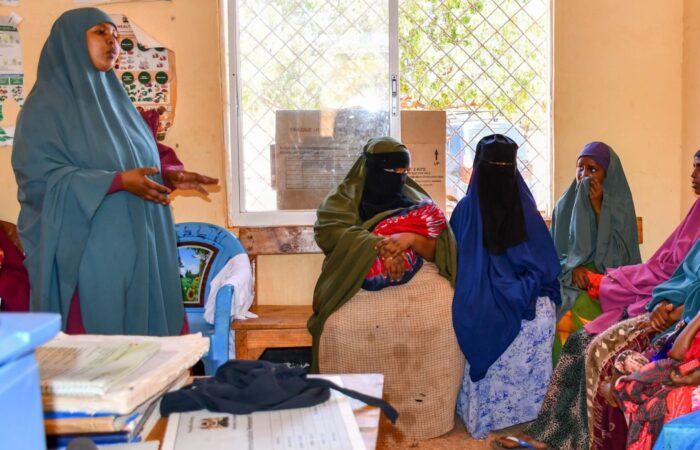
This is why survivor-centred responses depend on relationships between services. Community organisations can help people understand where support is available. Healthcare workers can provide appropriate care and referrals. Specialist organisations and relevant public institutions can respond to other needs. The quality of those connections matters as much as the existence of the services themselves.
Through the Accelerate program, funded by the Embassy of Denmark in Kenya and implemented through a consortium led by PS Kenya with the Gender Violence Recovery Centre (GVRC) and PSI Research, we work alongside county governments, healthcare providers and community-based organisations to advance sexual and reproductive health and rights, including responses to gender-based violence and harmful practices. The partnership reflects the importance of bringing different capabilities together rather than expecting any one organisation to meet every need.
But a responsive system begins long before a survivor reaches a facility. It begins with the attitudes encountered at home, in the workplace and within the community. A friend who listens without blame, a colleague who respects confidentiality or a service provider who explains options without pressure can make it easier for someone to seek appropriate help. Dismissing harm, questioning a survivor’s credibility or treating violence as a private matter can have the opposite effect.
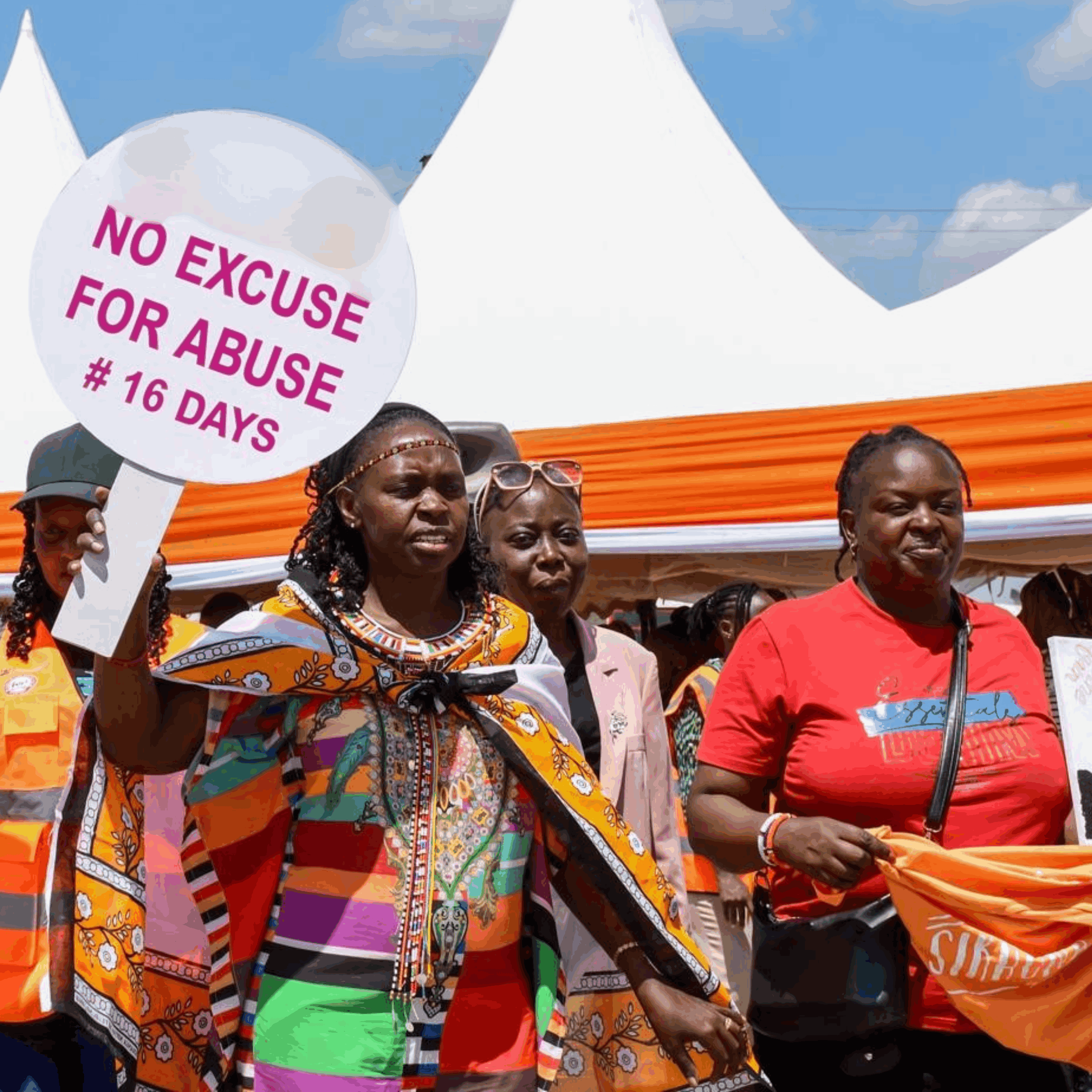
That is the challenge at the heart of PS Kenya’s 2026 16 Days of Activism campaign, DON’T LOOK AWAY, guided by the message “What we excuse, we allow to continue.” The call is not simply to notice violence, but to challenge the behaviours that normalise it and to support responses grounded in dignity, safety and accountability.
Awareness is important, but it must lead somewhere. The measure of our collective commitment is not only how many people are encouraged to speak up. It is whether, when they do, they encounter people and systems prepared to listen, respect their choices and connect them to the support they need.