“I’m not ready for another pregnancy. I need help.”
For Naserian, family planning had always meant one thing: the pill. She wanted to decide when to have her next child, but taking a pill consistently every day was not always easy. She sometimes missed doses and had experienced two unintended pregnancies during a period when she struggled to take the pill consistently.
Life was already difficult, and another pregnancy was not something she felt ready for. What Naserian did not know was that the pill was only one of several contraceptive methods available to her.
Her experience reflects a wider challenge. According to the 2022 Kenya Demographic and Health Survey, 13% of married women aged 15–49 in Kajiado County had an unmet need for family planning, while 55% were using a modern contraceptive method. Behind these numbers are women whose ability to make informed reproductive health decisions depends on having accurate information about their options and being able to access the method that meets their needs.
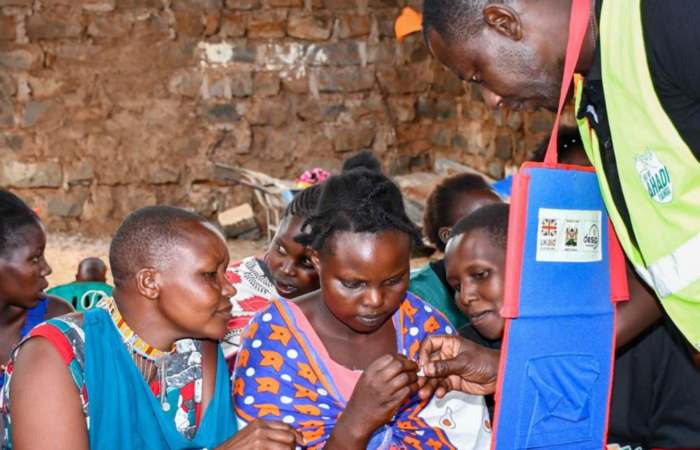
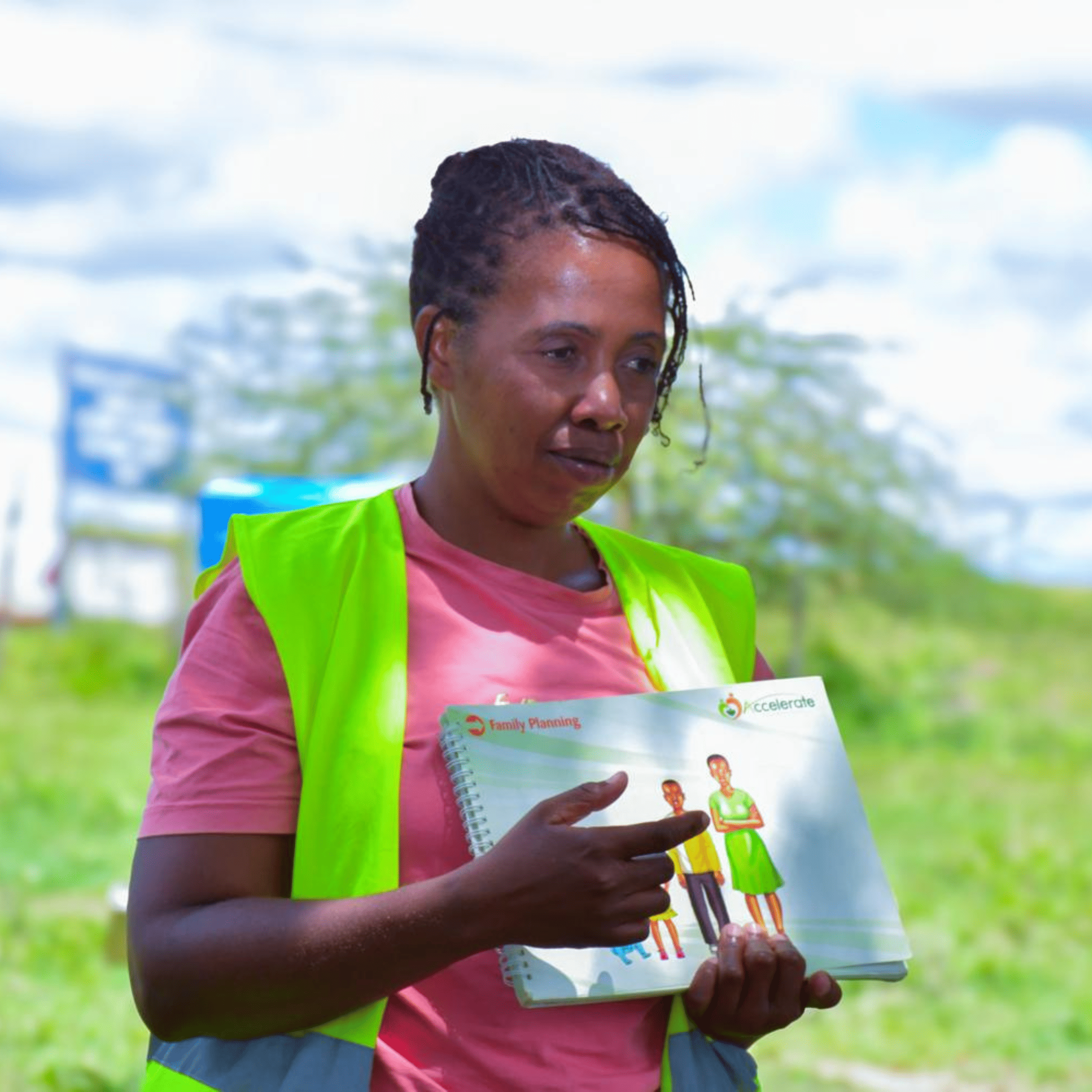
For Naserian, that changed when she began attending community family planning sessions supported through the Accelerate program, funded by the Embassy of Denmark in Kenya and implemented by PS Kenya. Led by Ewangan CBO in Kajiado, the sessions gave women a space to ask questions, discuss their reproductive health needs and learn about different contraceptive options.
It did not happen after one conversation. Through repeated sessions, Naserian gradually learnt that family planning did not have to mean remembering a pill every day. She learnt about longer-acting methods and began considering whether a five-year contraceptive implant might better suit her needs.
By the fourth session, information had become a decision. Naserian approached the facilitator and asked for support to access the implant.
But making an informed choice did not automatically mean she could access it. At the time, a nationwide nurses’ strike was affecting services, while some health facilities were also experiencing shortages of family planning commodities. Naserian had overcome one barrier, limited information, only to encounter another: the method she had chosen was not readily available.
Through the Accelerate program, county and sub-county reproductive health teams worked together to address the commodity gap. Available family planning commodities were redistributed to facilities where they were needed, enabling Naserian to access the method she had chosen.
For her, receiving the implant represented more than access to contraception. She had moved from believing she had only one option to understanding that she had choices, considering those choices based on her own circumstances and deciding what worked for her.
Her journey also demonstrates why meaningful family planning access cannot end with awareness. Information matters, but so does choice, and choice only becomes meaningful when health facilities, commodities, healthcare providers and community systems can respond when a woman decides what she wants.
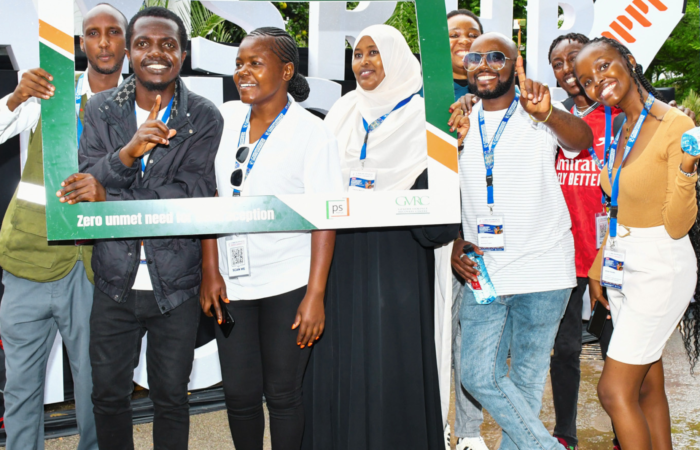
Through the Accelerate program, PS Kenya works alongside government, county health teams, community-based organizations, healthcare providers and communities to strengthen that connection between trusted information and access to quality services. The program contributes towards the goals of Zero Unmet Need for Family Planning, Zero Preventable Maternal Deaths, and Zero Gender-Based Violence and Harmful Practices.
For Naserian, those ambitions became personal. She did not need someone to make a family planning decision for her. She needed to know that she had choices, the information to make her own decision, and a health system capable of responding to that choice.
That is what meaningful family planning access should make possible.