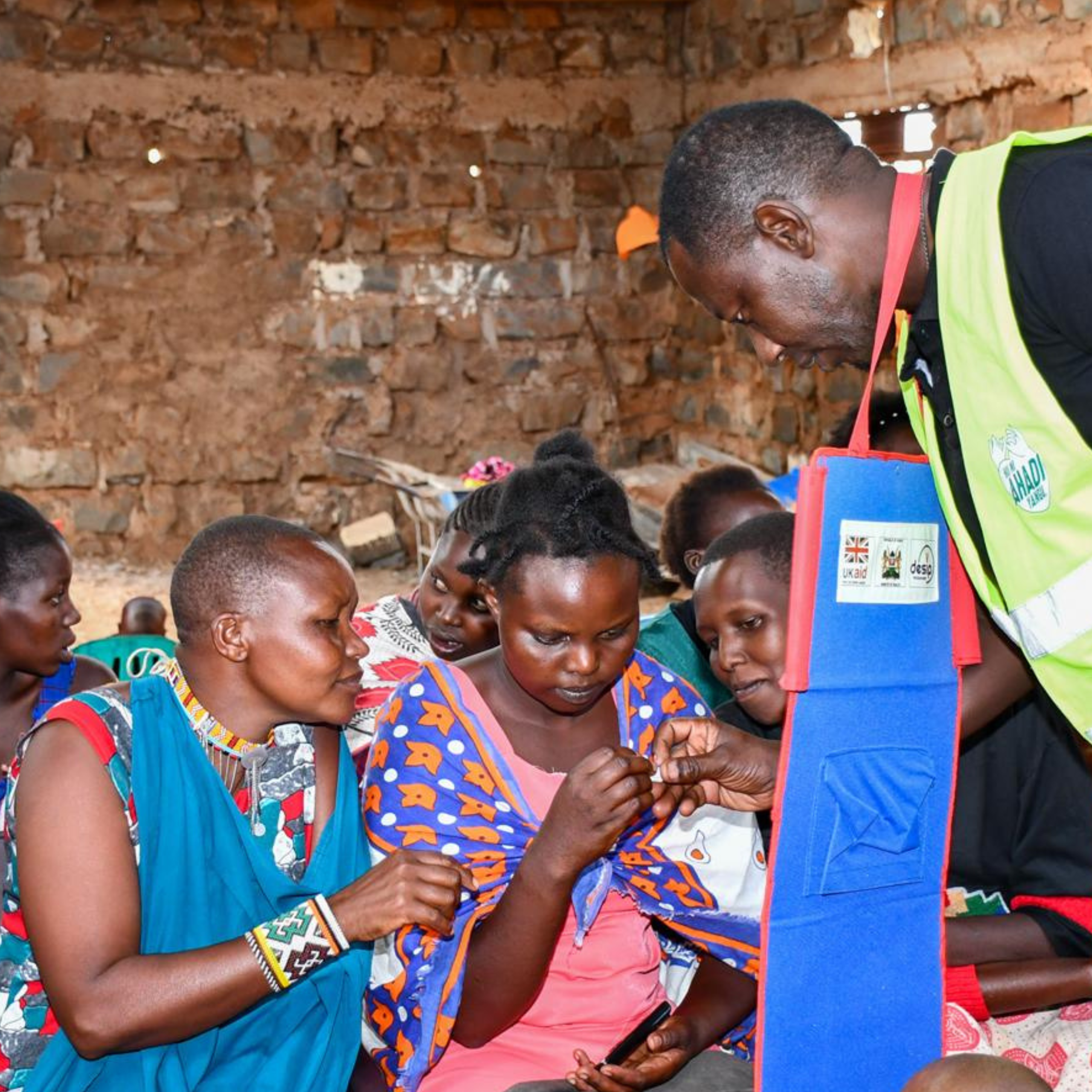
Every woman has a different reason for choosing or not choosing a family planning method.
Some worry about side effects. Others fear that contraception may affect their ability to have children in the future. Some are unsure which method is right for them. Others simply have questions they have never had the opportunity to ask. These concerns are real, and they influence how women make decisions about their reproductive health every day. For many years, family planning programmes have focused on increasing awareness and expanding access to services. While both remain essential, experience continues to show that access alone does not always lead to informed choice. Women need trusted spaces where they can ask questions, discuss their concerns openly, and receive accurate information that responds to their individual circumstances.
This is one of the key lessons shaping PS Kenya’s work through the DISC II programme. Rather than assuming what women need, the programme places strong emphasis on listening. Through continuous engagement with women, pharmacists, and healthcare providers, DISC II is helping uncover the questions, concerns, and misconceptions that often influence decisions about family planning.
These conversations have highlighted important insights. Women want to understand how different contraceptive methods work, what side effects they may experience, whether fertility returns after discontinuing a method, and which option best fits their lifestyle and reproductive goals. They are looking for information that is clear, practical, and free from judgment, not simply a list of available methods.
Listening has also strengthened the role of healthcare providers. Healthcare providers and pharmacists are often the first people women turn to when making decisions about family planning. Beyond their clinical expertise, they play a critical role in building confidence, addressingmisconceptions, and supporting informed choice. When providers take time to understand a woman’s concerns, explain available options in simple language, and tailor counselling to her individual needs, conversations become more meaningful, and women are better equipped to make decisions that are right for them.
These insights are helping shape how family planning information is delivered through the programme. Rather than relying solely on group health talks, DISC II is strengthening provider counselling, encouraging more personalised conversations, and using practical demonstrations and visual aids to make information easier to understand. This approach recognises that meaningful behaviour change is built through trust, dialogue, and responsive communication.
At PS Kenya, we believe every woman deserves the opportunity to make informed decisions about her reproductive health. That begins by listening, not only to what women choose, but also to the questions they ask, the concerns they express, and the experiences that shape their decisions. Because the best family planning programmes do more than provide methods. They create the confidence people need to make choices that are right for them.