Africa has the youngest population in the world. But having a young population is not enough. The real question is: are we creating the conditions that allow young people to thrive?
Health, education, economic opportunities, safety, supportive communities, and the ability to make informed decisions all influence whether young people can reach their full potential.
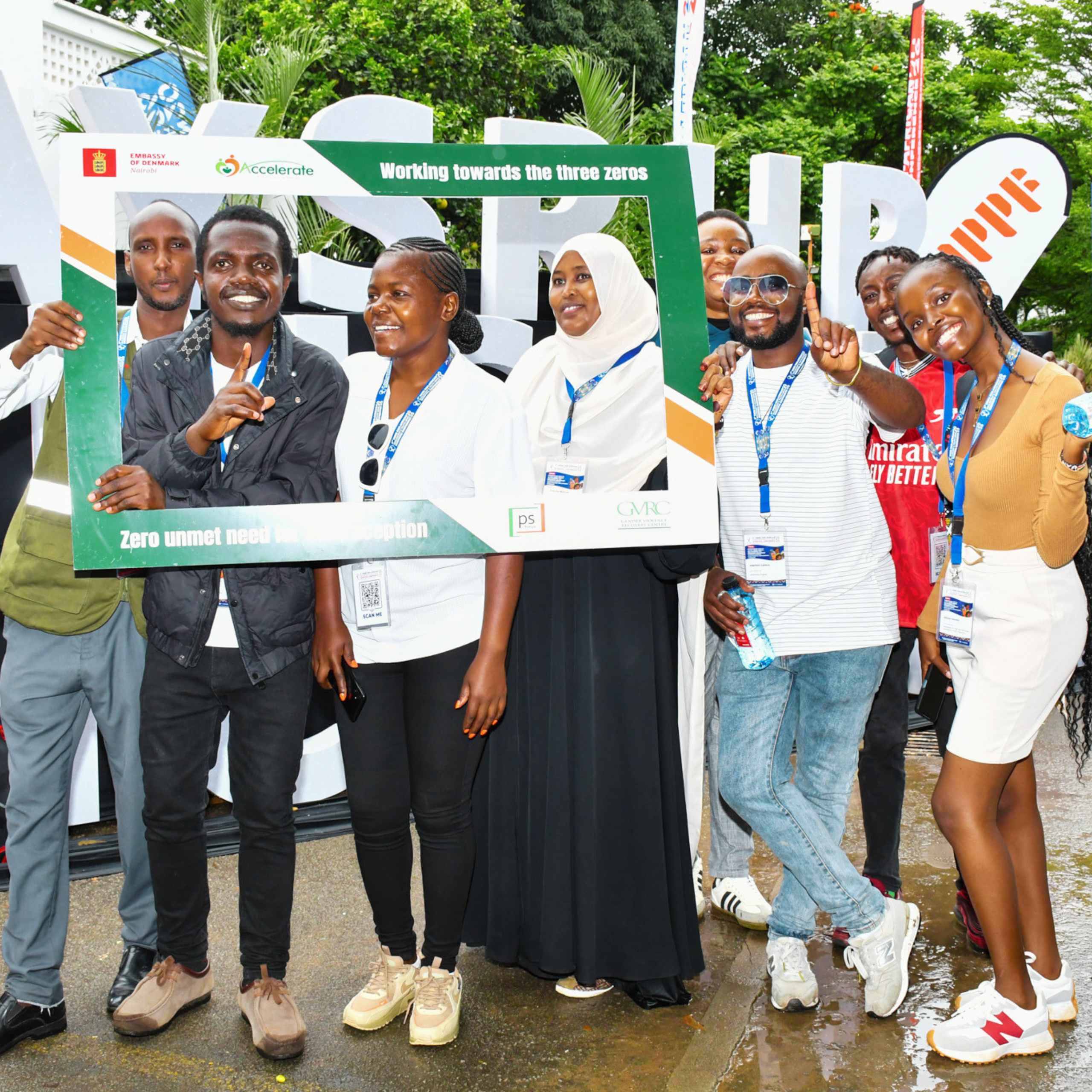
This was at the heart of conversations during the 9th Pan-African Adolescent and Youth Sexual and Reproductive Health and Rights Scientific Conference convened by the Reproductive Health Network Kenya (RHNK).
Bringing together policymakers, researchers, development partners, practitioners, and young people from across the continent, the conference served as an important reminder that investing in young people is one of the most important investments Africa can make.
But perhaps the biggest takeaway was this: young people are not passive beneficiaries of development programmes. They are leaders, innovators, advocates, entrepreneurs, and agents of change.
The question is no longer whether young people should have a seat at the table. It is whether we are creating enough opportunities for them to actively shape the decisions that affect their lives and futures.
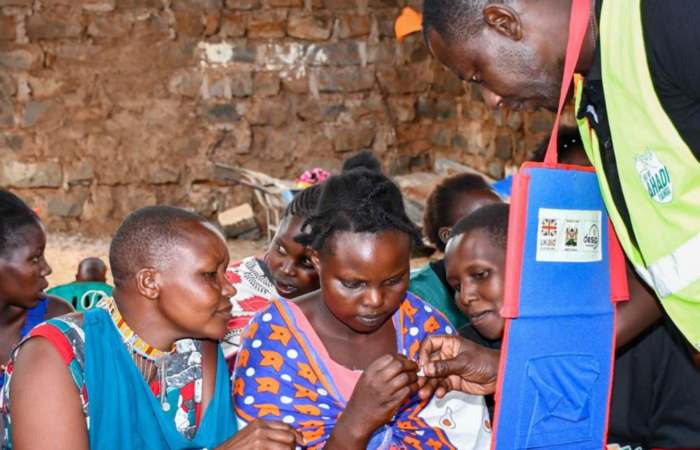
Across Africa, adolescents and young people continue to navigate interconnected challenges that affect their health, wellbeing, education, and economic opportunities. Limited access to youth-friendly services, harmful social norms, gender-based violence, unemployment, and barriers to information continue to affect millions of young people every day.
These challenges cannot be solved in isolation. They require integrated solutions and partnerships that place young people at the centre.
This belief is central to PS Kenya’s work.
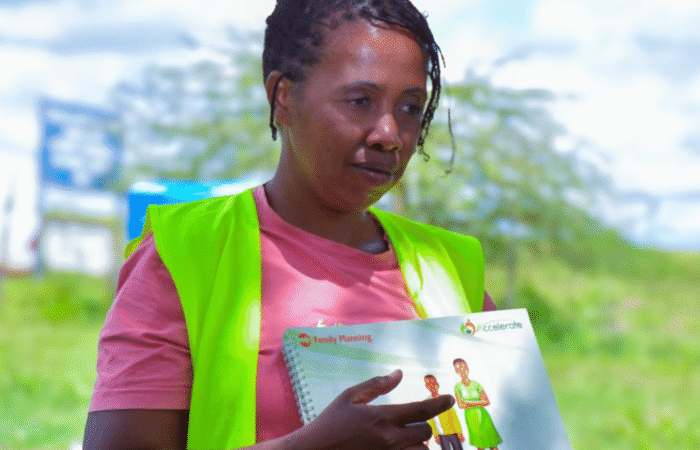
Through programmes such as Accelerate, A360, DISC, and TIKO, PS Kenya is helping create pathways that enable young people to access quality services, trusted information, supportive communities, and opportunities that allow them to shape their own futures.
These programmes are strengthening youth agency, improving access to sexual and reproductive health services, promoting gender equality, supporting HIV prevention, and creating environments where young people can participate meaningfully in decisions that affect their lives.
The conference also reinforced the importance of evidence-informed programming. Data, research, and innovation are important, but their true value lies in how they translate into action and respond to the realities experienced by communities.
Equally important was the emphasis on partnerships. No single institution can address the complex challenges affecting adolescents and young people alone. Progress depends on collaboration between governments, communities, development partners, civil society organizations, researchers, healthcare providers, and young people themselves.
As the conversations from RHNK continue beyond the conference halls, they remind us of something simple but powerful: the future of Africa is not something we wait for. It is something we build every day through the investments we make in young people today.
Because when young people thrive, communities thrive.
And when communities thrive, nations prosper.