Journey to a safe pregnancy and childbirth often begins long before a woman ever steps into a health facility, and is shaped by far more than clinical care alone.
Across programs, one pattern continues to emerge. Behind every maternal outcome is a chain of moments and decisions. A delay in recognizing danger signs. A lack of transport at a critical time. Fear, stigma, or uncertainty about where to go. And sometimes, even after reaching care, systems that are not fully equipped to respond in time. These are not isolated incidents. They are reflections of a system that is influenced by knowledge, access, infrastructure, and social context all at once.
This is why maternal health cannot be addressed in isolation.
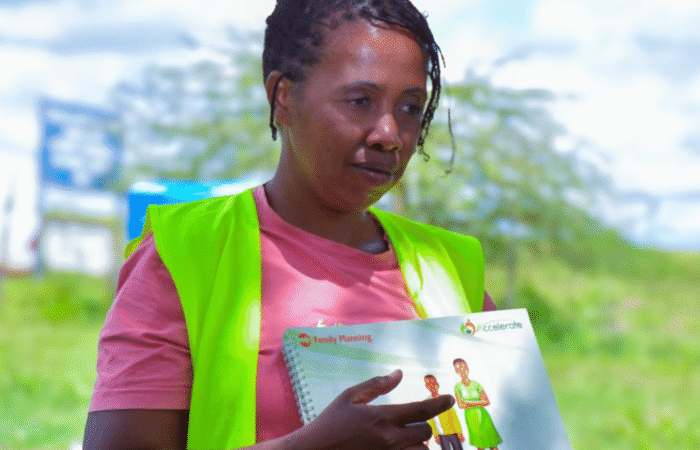
Take family planning, for example. It is often viewed as a separate intervention, but in practice, it plays a critical role in shaping maternal outcomes. When women are able to plan their pregnancies, avoid early or closely spaced births, and make informed decisions about their reproductive health, the risks associated with pregnancy are significantly reduced. In this way, family planning is not just about choice. It is about prevention. But even that is only part of the picture.
In many communities, cultural practices and social norms continue to influence how and when women seek care. Practices such as female genital mutilation are not only a rights issue; they are directly linked to maternal complications, including prolonged labor and severe trauma during delivery. Early marriage further compounds this risk, often placing girls into pregnancy before their bodies are ready. These are complex, deeply rooted issues. And they require approaches that go beyond service delivery.
Maternal health is also about what happens after survival. For some women, complications such as obstetric fistula leave lasting physical and emotional effects, often accompanied by stigma and isolation. These experiences challenge us to think beyond saving lives, to ensuring that women live with dignity, health, and the ability to fully participate in their communities.
All of this points to a simple but important truth. Maternal health is not a single intervention. It is a continuum. It is shaped by education, by cultural context, by access to services, and by the strength of the systems meant to support women at every stage.
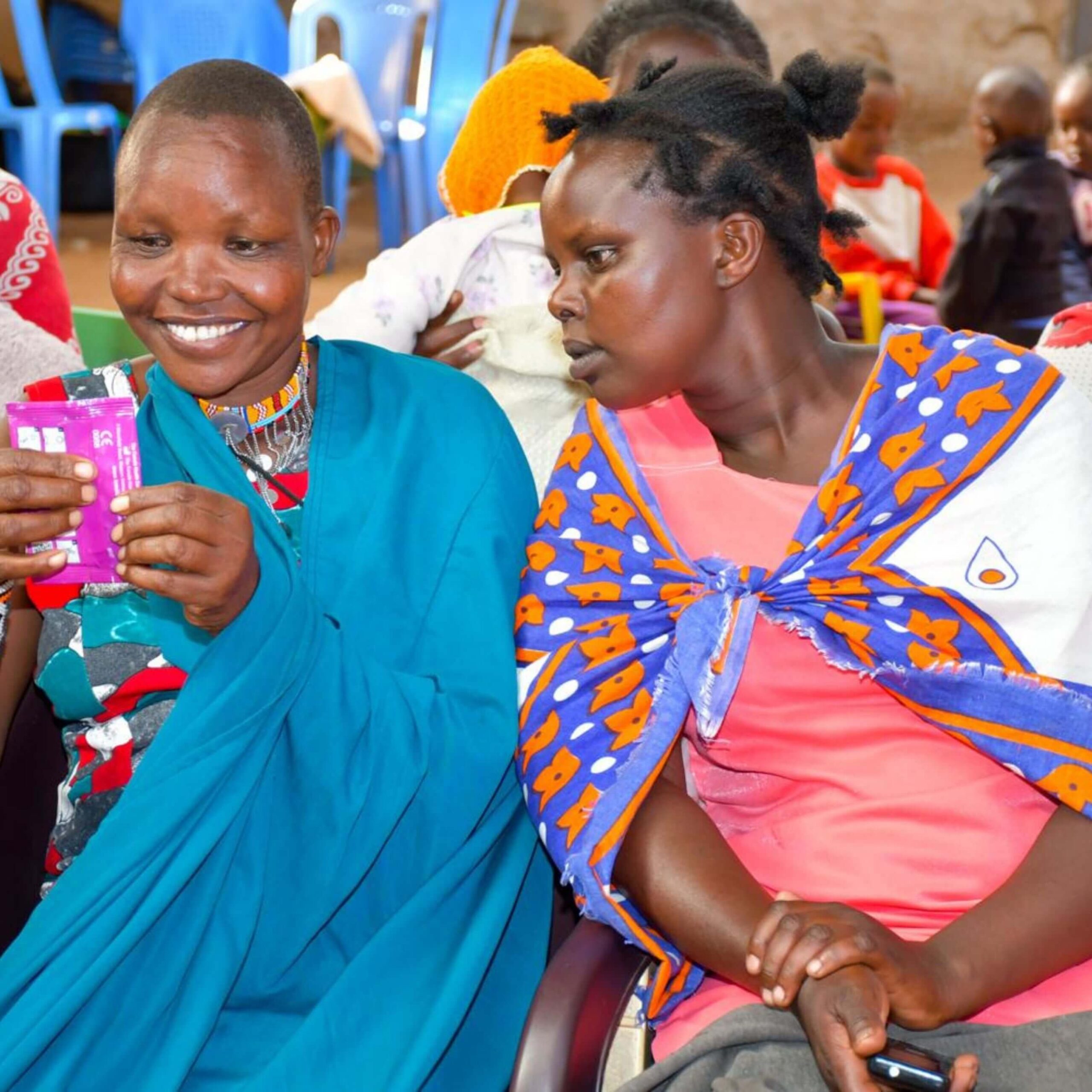
Through the Accelerate Program, PS Kenya is continuing to champion a more integrated approach; one that brings together service delivery, community engagement, and behavior change. This means working not only within health facilities, but also within communities, where decisions are made, beliefs are shaped, and support systems exist.
It means recognizing that improving maternal outcomes is not just about increasing access, but about ensuring that women are informed, supported, and able to act. When the system works, when information is clear, services are accessible, and communities are engaged then outcomes change.
Maternal deaths reduce. Complications are prevented. And women are able to experience pregnancy and childbirth not as a risk to survive, but as a journey supported by care, dignity, and choice. That is the shift. And it is one that requires continued commitment, investment, and coordination across sectors.
At PS Kenya, this is the direction we will continue moving in, because improving maternal health means strengthening everything around it.