In Mandera County, early marriage has long shaped the lives of girls, often quietly, and often without question.
Across Kenya, about 23 percent of women aged 20 to 24 were married before the age of 18. In Mandera, the risk remains high, with recent estimates showing that 13.6 percent of girls aged 12 to 18 are already affected. Behind these numbers are interrupted educations, limited choices, and futures that narrow far too early.
For many years in Mandera East and Mandera South, this was simply the norm. Girls left school, entered marriage, and began motherhood before they were ready. The consequences were not always immediately visible, but over time, the impact became clear, on health, on opportunity, and on the overall wellbeing of communities.
“For a long time, no one questioned it,” shared a member of a local community-based organization. “When a girl reached a certain age, marriage was simply what followed. Keeping her in school felt uncertain. We did not fully see what we were losing until we started having these conversations.”
That realization marked the beginning of change.
With support from the Embassy of Denmark, the Accelerate Program was introduced in Mandera County through a consortium led by Population Services Kenya, alongside Population Services International and the Gender Violence Recovery Centre. The program focused on Mandera East and Mandera South, where the need was most urgent, but from the outset, it was clear that solutions could not be imposed from the outside.
Change had to come from within.
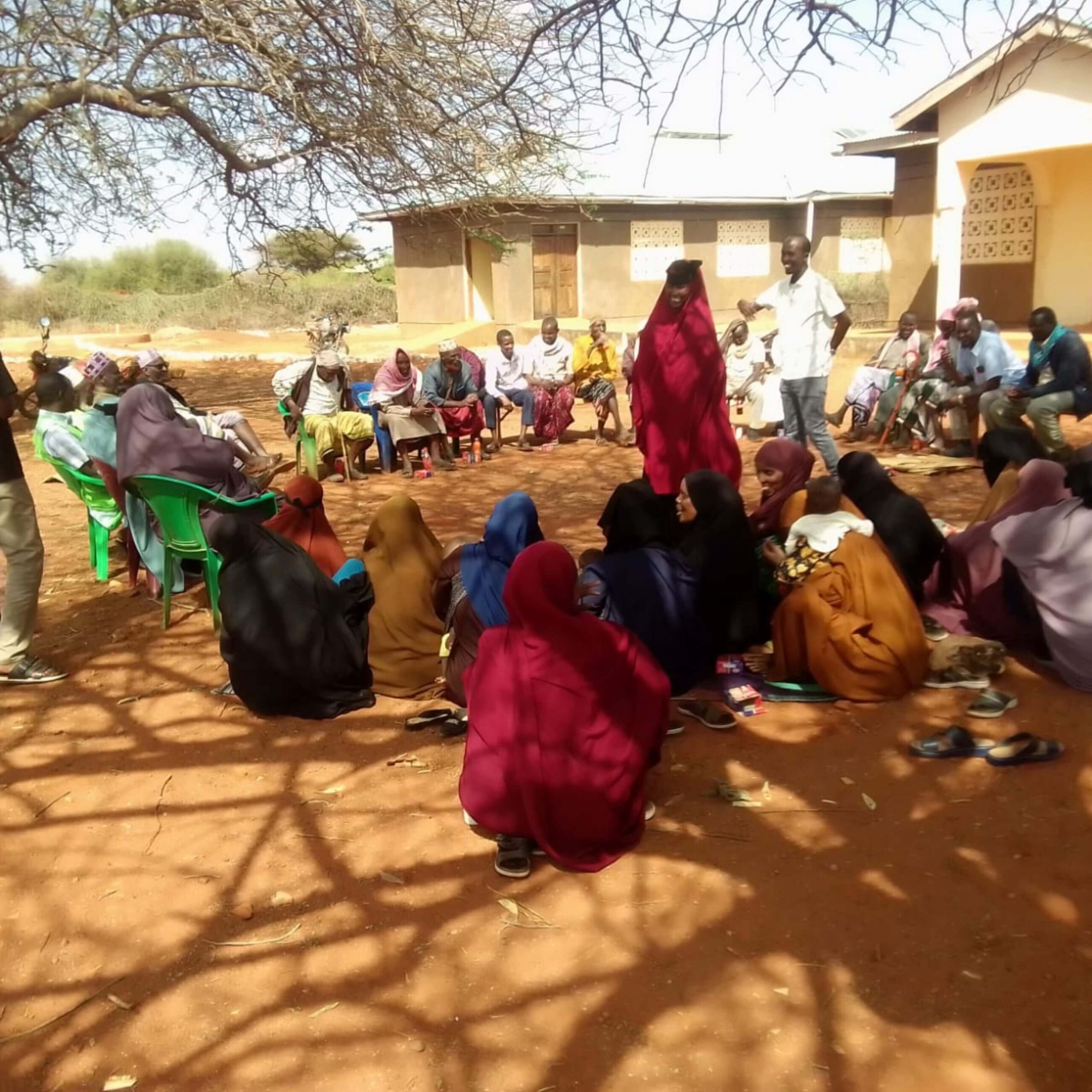
The approach centered on working through trusted local structures; community-based organizations, community health volunteers, religious leaders, elders, and young people. These are the voices that shape everyday decisions, and the ones communities are most willing to listen to.
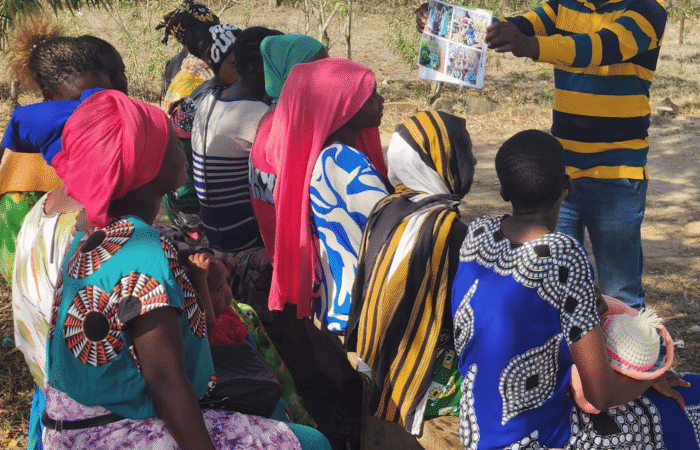
Through regular community dialogues, household engagements, and open forums, space has been created for conversations that were once avoided. Early marriage, girls’ education, and gender-based violence are no longer unspoken topics. They are being discussed openly, questioned, and re-examined.
Religious leaders, particularly Sheikhs, have played a critical role in this shift. By framing girls’ education and protection within the context of shared values and beliefs, they have helped communities see that change does not mean abandoning tradition, it means strengthening it in ways that protect and uplift.
The impact of these efforts is becoming visible.
More parents are choosing to keep their daughters in school. Communities are increasingly aware of the risks associated with early marriage and are beginning to challenge practices that were once accepted without hesitation. Schools and local systems are also becoming more active in identifying girls at risk and linking them to support.
“Now, when we speak to parents, they listen differently,” another community leader shared. “You can see the shift. People are beginning to ask questions, to think about the future of their daughters in a new way.”
What makes this progress significant is not just the change itself, but how it is happening.
Through strengthening local systems, building the capacity of community actors, and supporting community-led action, the program is ensuring that change is not dependent on external presence alone. Those who were once part of the conversation are now leading it. Community leaders are advocating, parents are making different choices, and young people are influencing their peers.
Mandera’s story is not one of rapid transformation, but of steady, deliberate progress built on trust, ownership, and shared responsibility. It is a reminder that shifting deeply rooted norms takes time, but when communities are engaged in ways that respect their context and elevate their voice, change does not just happen. It lasts.
What is emerging is a community that is not only responding to change, but actively sustaining it, ensuring that more girls stay in school, grow with confidence, and have the opportunity to choose their own futures.