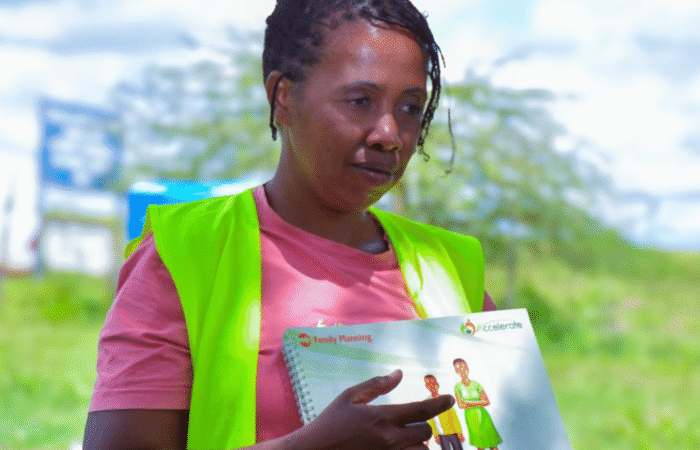
In Kajiado County, the journey to better health for many women often begins not in a clinic, but in a classroom.
For years, limited access to education has quietly influenced health outcomes for women and girls across the county. Without basic literacy skills, many women struggle to understand health information, access services, or make informed decisions about their bodies. This has contributed to unmet needs in family planning, preventable maternal deaths, and increased vulnerability to gender-based violence (GBV).
Through the Accelerate Program, supported by the Embassy of Denmark in Kenya, a simple yet powerful idea is reshaping this reality by integrating health education into adult literacy and learning spaces.
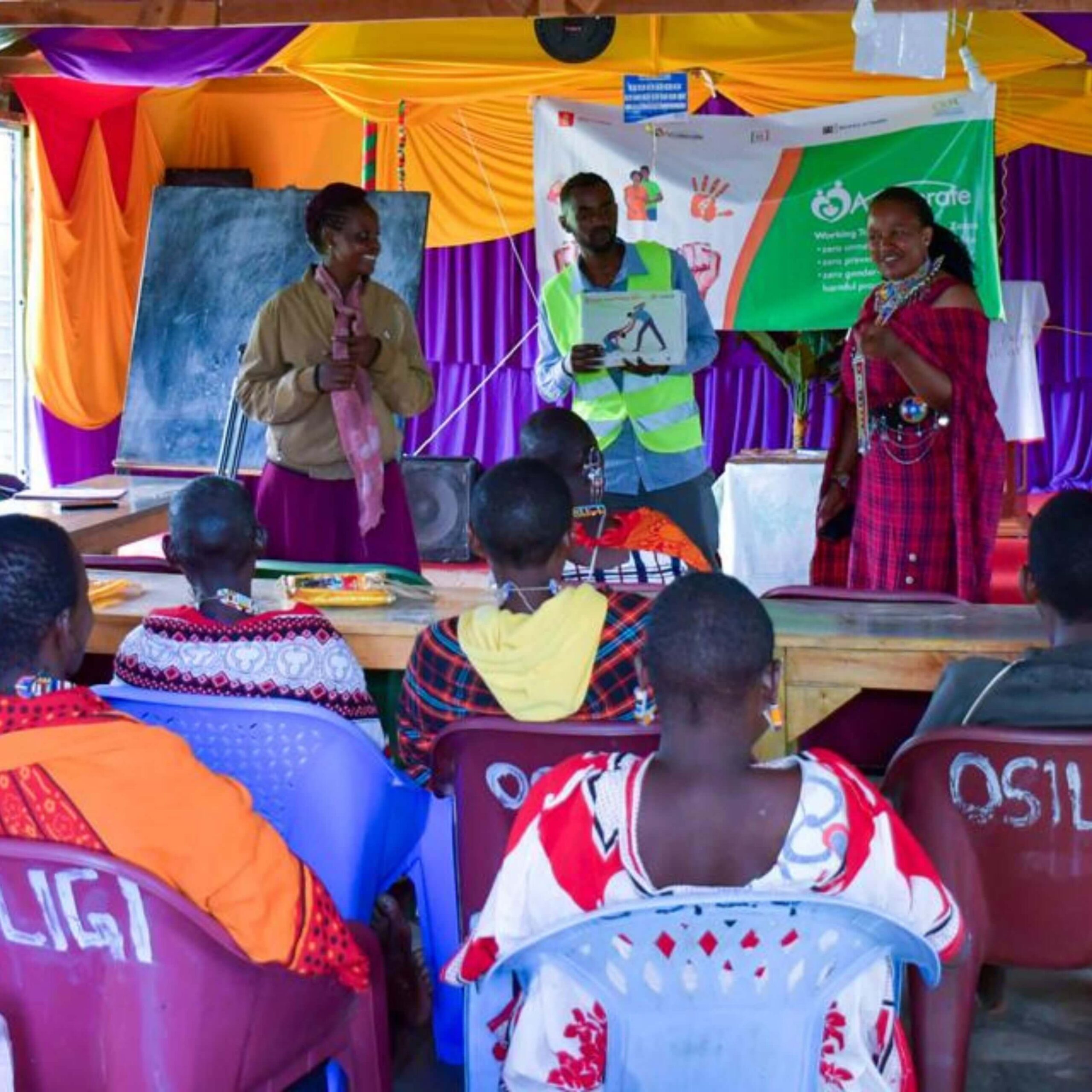
Adult literacy classes in Kajiado are no longer just about reading and writing. They have become safe and supportive spaces where women can learn, share, and grow together.
In these sessions, women engage in open conversations about sexual and reproductive health and rights (SRHR), maternal health, and GBV through the Accelerate Program in partnership with Ewang’an Community Based Organization. Topics such as family planning, antenatal care, and identifying harmful practices are discussed openly, often for the first time.
Lukata shares “Kabla ya kuingia hii shule ya gumbaru, sikuwa na elewa mambo ya afya sana sana hii mambo ya family planning na kwa nini ilikua ya muhimu” loosely translated as (“Before joining the class, I did not understand family planning or why it was important,) “saa hii nimeelewa na naweza kuongea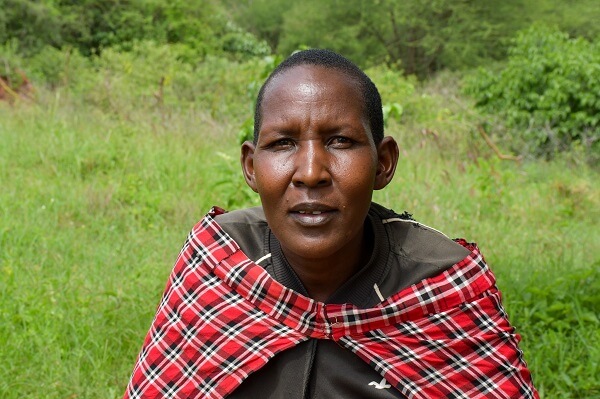
na mzee bila uoga” (Now I can make decisions about my health and talk to my husband with confidence.)
By connecting education with health, the program is giving women both knowledge and a stronger voice.
The link between education and health is clear. When women understand their options, they are more likely to seek services, protect their health, and support others in their communities.
Through these literacy platforms, women are gaining the confidence to visit health facilities. Awareness of family planning, maternal health issues, GBV, and available support services is growing. Harmful myths and stigma around SRHR are also being challenged.
Selei shares, “Tulikuwa tunaogopa kwenda kituo cha afya, 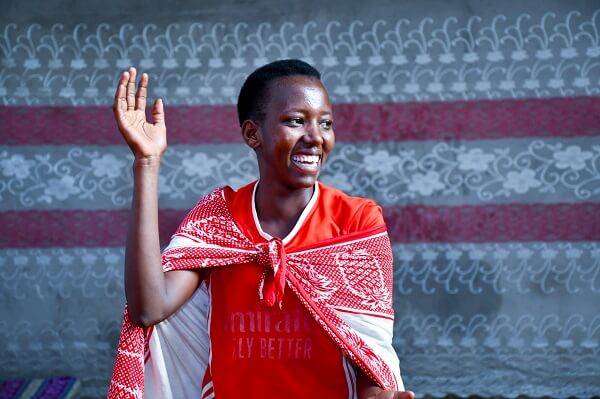 lakini sasa tunaelewa umuhimu wa kutafuta huduma, hasa wakati wa ujauzito. Tunahimizana kuhudhuria kliniki.”
(“We used to fear going to the health center, but now we understand the importance of seeking care, especially during pregnancy. We encourage each other to attend clinic.”)
By combining literacy with health education, the Accelerate Program is showing that empowering women with knowledge is one of the most effective ways to improve health outcomes.
Women who once lacked access to basic information are now making informed choices about family planning, seeking timely maternal health services, and speaking out against violence and harmful practices.
Most importantly, they are reclaiming their agency.
This integrated approach offers a powerful lesson. When women learn, communities thrive.
Investing in adult literacy as a platform for health education is not only improving knowledge, it is transforming lives, strengthening communities, and building a more equitable future for women and girls in Kajiado County.